
About Dr Santosh Valvi
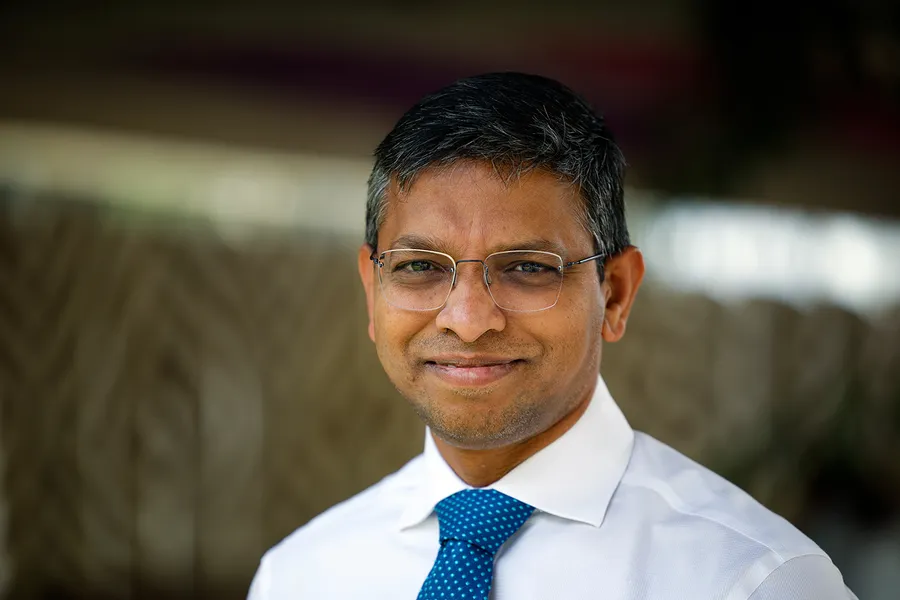
Dr Santosh Valvi is a clinician-scientist specialising in Paediatric Oncology. He obtained his MBBS degree from the University of Mumbai, India in 2001 and completed postgraduate clinical training with the Royal Australasian College of Physicians in 2014. Since 2016, Dr Valvi has served as a Consultant in Child and Adolescent Haematology/Oncology in Perth, Western Australia (WA). His current leadership roles include Co-Lead of the WA Comprehensive Kids Cancer Centre Clinical Trials Theme, Head of Oncology Early Phase Clinical Trials Unit at Perth Children’s Hospital (PCH) and Director of Paediatric Oncology Fellowship Training for Western Australia.
During his Clinical Fellowship, Dr Valvi completed an MSc in Clinical Trials Research through the National Health and Medical Research Council (NHMRC) Clinical Trials Centre at the University of Sydney (2016). This program equipped him with advanced expertise in the design, development, and delivery of clinical trials. He later completed a laboratory-based MSc at the Children’s Cancer Institute in Sydney, supported by the Steven Walter Children’s Cancer Foundation and awarded by the University of New South Wales (2019). His research on fenretinide in Diffuse Intrinsic Pontine Glioma (DIPG) identified a novel mechanism of action.
Dr Valvi drives translational and clinical research capacity through strong collaborations across local, national, and international networks. He is an active member of international consortia including the Children’s Oncology Group, COllaborative Network for NEuro-oncology Clinical Trials (CONNECT) Consortium and Pacific Pediatric Neuro-Oncology Consortium (PNOC) where he contributes to the design and delivery of global clinical trials for paediatric brain cancers. He chairs the CONNECT TarGet-D international trial for IDH-mutant High-Grade Glioma. Dr Valvi has served as the Deputy Chair of the Australian and New Zealand Children’s Haematology/Oncology Group (ANZCHOG) Central Nervous System (CNS) Tumours Group since 2020 and the Chair of the ANZCHOG National Tumour Board since 2022.
Dr Valvi is a member of the WA Comprehensive Kids Cancer Centre Leadership Team and founded the Perth Children’s Hospital Oncology Early Phase Clinical Trials Unit in 2017. Under his leadership, the unit has activated 56 Phase 1/2 national and international clinical trials, expanding access to innovative therapies for children in Western Australia. He acts as principal investigator on multiple clinical trials in Western Australia. In these roles, he leads strategic planning, stakeholder engagement, and initiatives that improve equitable access to treatments for children with brain cancer. He established the Neuro-Oncology Pathway at Perth Children’s Hospital in collaboration with multidisciplinary teams. He also contributes to research governance as a member of the Child and Adolescent Health Service (CAHS) Human Research Ethics Committee (since 2021) and the WA Health Central Human Research Ethics Committee (since 2025). Dr Valvi holds a Clinical Senior Lecturer position at The University of Western Australia (UWA) Medical School and is passionate about mentoring medical students. He has secured more than $21 million dollars in competitive research funding and has authored 38 peer-reviewed publications. Over the next five years, he aims to further build research capacity by expanding his research collaborations and working with strategic partners and philanthropic organisations to increase research funding.