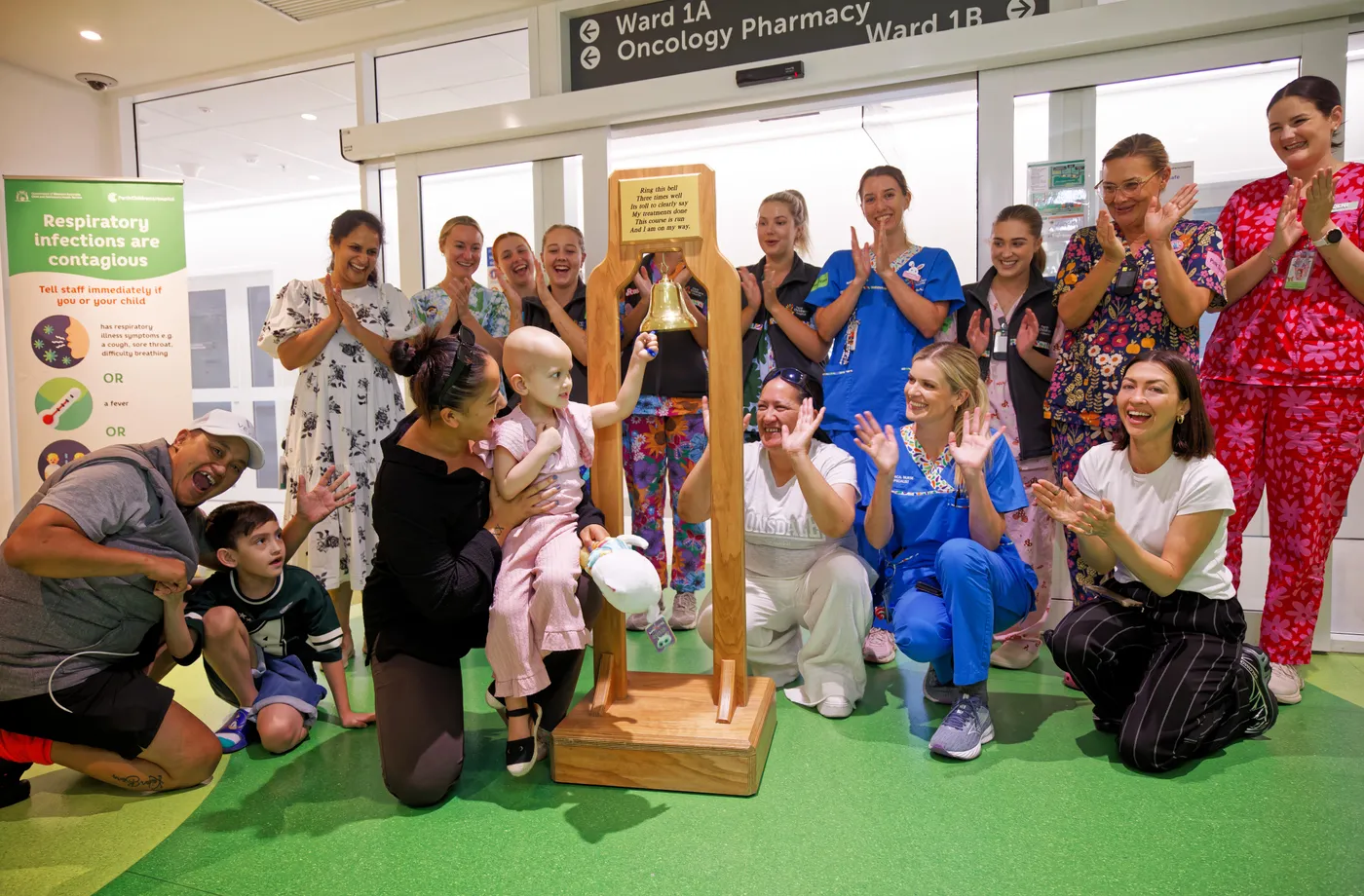
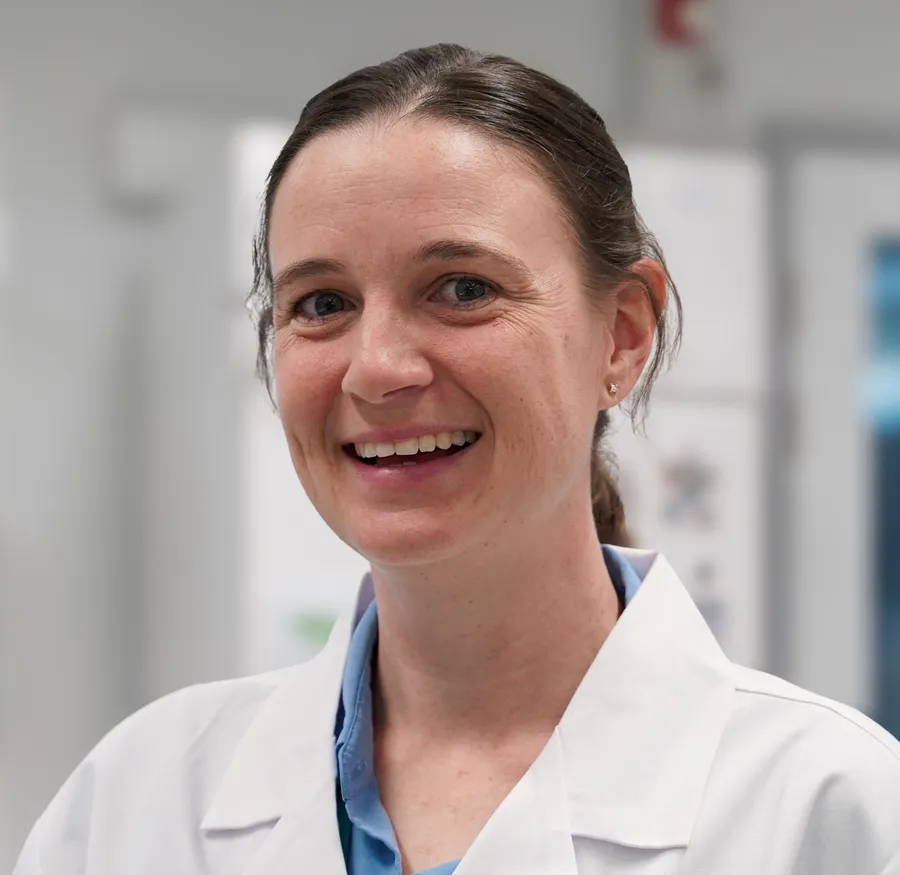
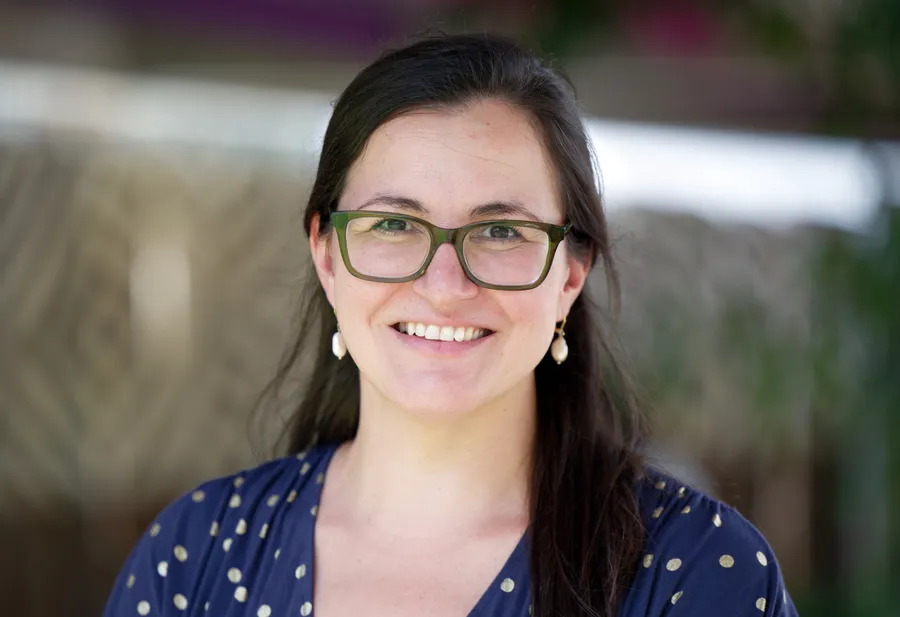
The Western Australian Comprehensive Kids Cancer Centre has a focus on holistic treatment and support. We know that childhood cancer survivors face long-term medical, emotional, and social challenges. By combining world-class research with a dedicated survivorship clinic, we will help kids not only survive but thrive post-treatment. Through evidence-based, interdisciplinary research, we aim to reduce the adverse effects of cancer treatment so survivors can live happy, healthy lives.
Our survivorship work
In the lab: Understanding late effects
Our researchers are developing world-first preclinical models to study how treatments impact a child long after therapy ends. These models allow us to test new, safer treatments before they reach clinical trials. This helps predict potential late effects of treatments, identify interventions to reduce or eliminate them and fight cancer more effectively.
In the clinic: Improving quality of life
Our survivorship team includes clinicians, nurses, allied health professionals and other experts. They are working to identify and address late effects related to treatment, and educate patients, families and community about the long-term risks associated with childhood cancer and its treatment and how to reduce them.
The WA Comprehensive Kids Cancer Centre has strengthened our clinical research capabilities and underpins a comprehensive survivorship program, enabling rigorous investigation into the physical, psychological and educational impacts of childhood cancer and its treatment.
How our research is improving survivorship
By connecting cutting-edge lab science with holistic, long-term clinical care, we are working to ensure childhood cancer survivors can thrive. From delivering safer treatments, to better monitoring and establishing early interventions, our research is shaping a future where surviving childhood cancer means growing up strong, healthy and with the freedom to pursue their dreams.
Physical health research
We are investigating ways to minimise long-term side-effects caused by cancer treatments. By better understanding these risks, we aim to prevent them, or identify them early, so survivors can live healthier adulthoods.
Psychosocial research
Survivorship isn’t just physical. Our researchers and clinicians are studying impacts of treatment on cognitive, emotional and mental health and developing strategies to support children’s learning, resilience and overall wellbeing during treatment, throughout their recovery journey and beyond.
Long-term outcomes
By monitoring survivors closely and understanding the lifelong impacts of treatment, we aim to greatly reduce late effects and help each child transition into adulthood.
Key projects
Clinical expansion
We are expanding our multidisciplinary clinical research team to systematically investigate the holistic needs of cancer survivors, integrating medical, nursing, psychological, educational and sub-specialty expertise. The addition of psychology enables rigorous assessment of psychosocial outcomes in patients and families. Structured educational support is being developed as a measurable intervention, while sub-specialty collaboration with gynaecology, endocrinology and genetics will facilitate prospective investigation of late treatment effects. At a national level, we are engaging with colleagues to identify, quantify and address the challenges facing survivors and their families through coordinated research efforts.
Improving treatments for childhood cancer while protecting the developing brain
Our laboratory work aims to develop safer, more effective treatments for childhood cancer by investigating how cancers grow, how the immune system responds, and how therapies affect brain development. Using advanced lab models and imaging tools, we seek to reduce long-term side effects and improve outcomes for young patients.
Developing translational strategies to protect the developing brain during childhood cancer treatment
By integrating clinically relevant laboratory models with translatable behavioural assessments and intervention testing, this project aims to deliver insights that cannot be obtained from clinical cohorts alone. It will provide developmental evidence defining how widely used, and emerging childhood cancer treatments alter brain structure, cognition, behaviour, and immune development. We are also looking for new interventions to mitigate treatment-related late effects.