
Skip to content
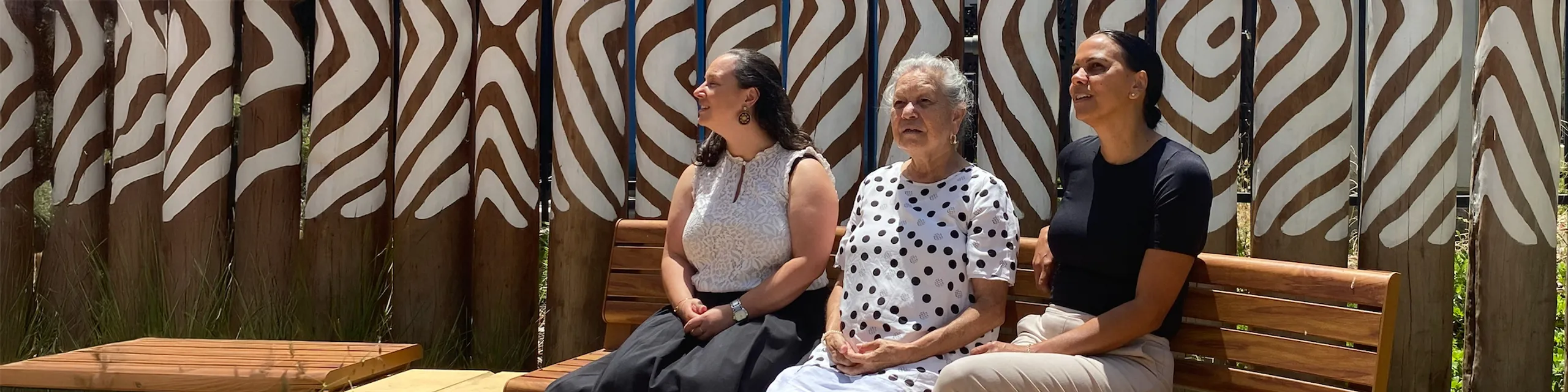
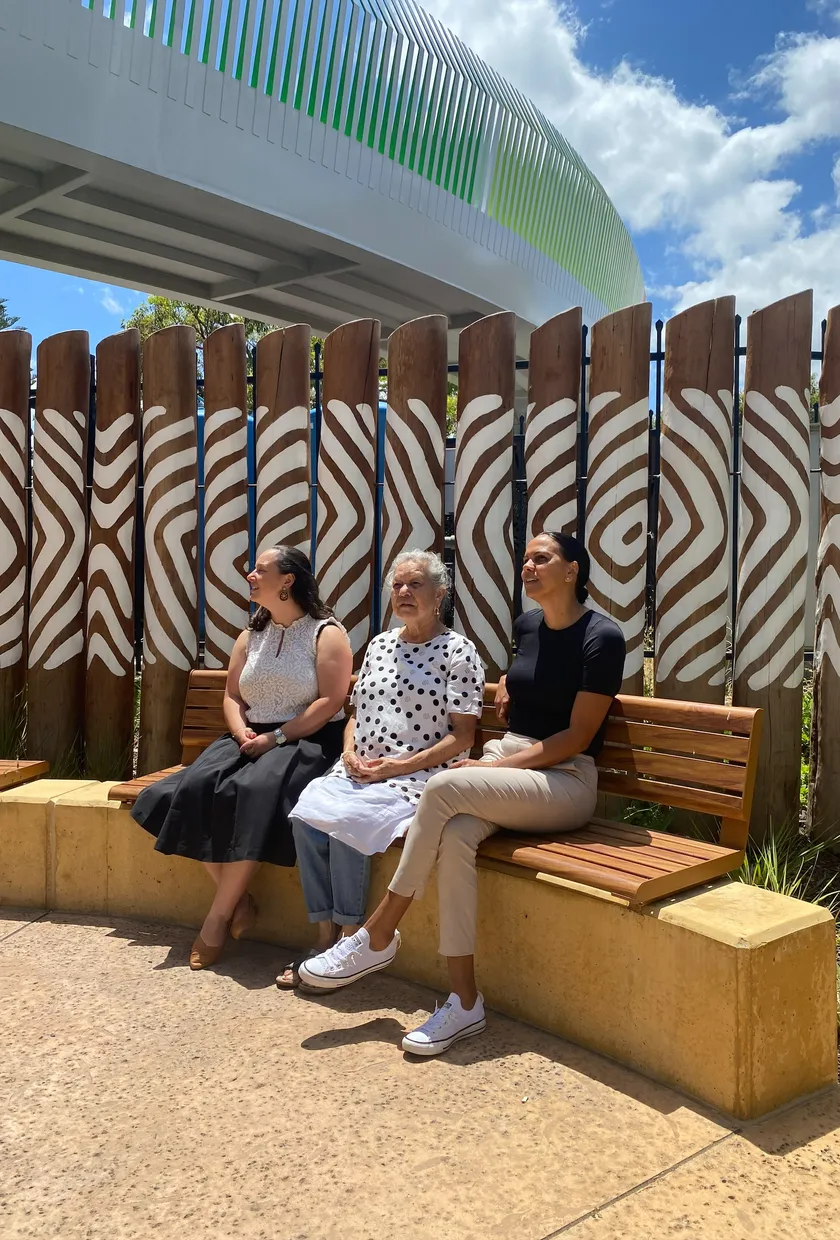
Three women sitting on a bench outside staring at the sky.

Improving First Nations Outcomes

Improving First Nations Outcomes

Aboriginal and Torres Strait Islander children with cancer face poorer outcomes than their non-Aboriginal and Torres Strait Islander peers and that needs to change.

Through strong partnerships with Aboriginal and Torres Strait Islander leaders and communities, we hope to lead the way in understanding why these poorer outcomes occur and develop culturally safe, effective treatments. We aim to empower Aboriginal and Torres Strait Islander communities, transform care and ultimately ensure that every child has the best chance to survive and thrive.

There are less than10published papers focused on Aboriginal children with cancer.
Aboriginal and Torress Strait Islander children facemore severe treatment side effectsthan their non-Aboriginal and Torres Strait Islander peers.
Our program is thefirst in the worlddedicated to understanding and addressing the disparity in outcomes for Aboriginal and Torres Strait Islander children and hopes to share insights applicable to First Nations groups around the world.

Community partnerships and collaboration

Our research is co-designed with Aboriginal and Torres Strait Islander leaders, families and communities, through consultation and our dedicated First Nations Childhood Cancer Community Advisory Group. This ensures that every step, from defining challenges to developing solutions, is culturally informed, respectful and community driven. 

With expertise in cancer research and Aboriginal health, our team works side-by-side with community partners to ensure the work reflects their priorities and strengthens long-term capacity, including building the next generation of Aboriginal researchers. 

Key projects

Understanding biological differences

We’re leading world-first research to uncover the biological and genetic factors behind poorer outcomes and severe side effects in Aboriginal and Torres Strait Islander children with cancer, in partnership with the ZERO Childhood Cancer team. This knowledge will guide the development of personalised, more effective treatments.

Culturally safe care & support

We are creating culturally sensitive resources to support families, especially those from remote communities, throughout their cancer journey. These tools help families navigate hospital care with confidence and feel safe, informed and supported.

Culturally safe sample & data practices

In partnership with biobanks around Australia, we’re developing guidelines for collecting and handling biological samples form Aboriginal and Torres Strait Islander people. These guidelines will ensure research practices are culturally safe. 

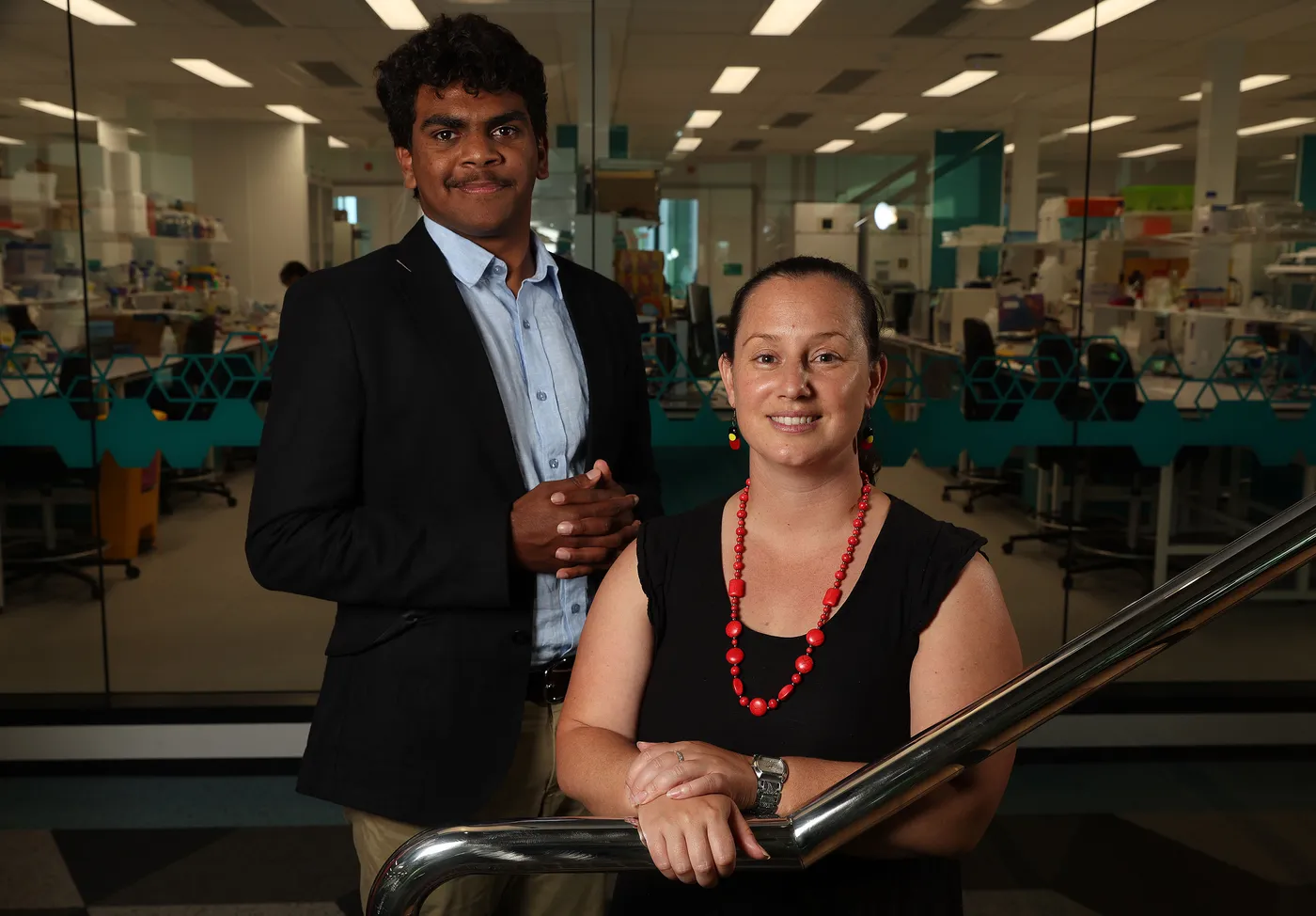
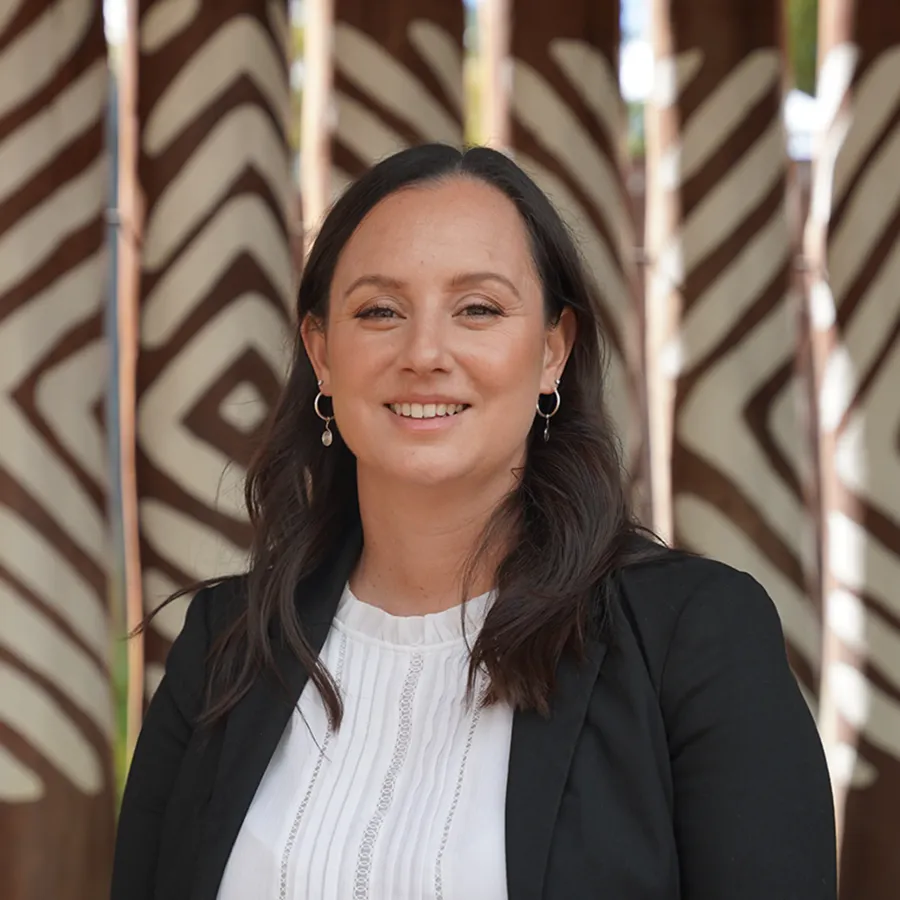
Jess Buck smiling

Dr Jessica Buck

Theme Lead, Improving First Nations Outcomes

Dr Jessica Buck is an emerging leader in childhood cancer research, with a particular focus on cancer in First Nations children and childhood brain cancer.

A proud Kamilaroi woman, she is the Team Leader of the First Nations Childhood Cancer Research team at The Kids Research Institute Australia – a first-of-its-kind initiative dedicated to developing culturally safe, community-led research strategies to improve outcomes for First Nations children with cancer. By engaging closely with Aboriginal and Torres Strait Islander communities, her program ensures that research priorities are shaped by their needs, empowering families and transforming treatment.