
When rare brain cancers occur in babies and toddlers, the consequences are devastating. These cancers are so rare. As such there is no established standard of care, and access to clinical trials has historically been extremely limited.
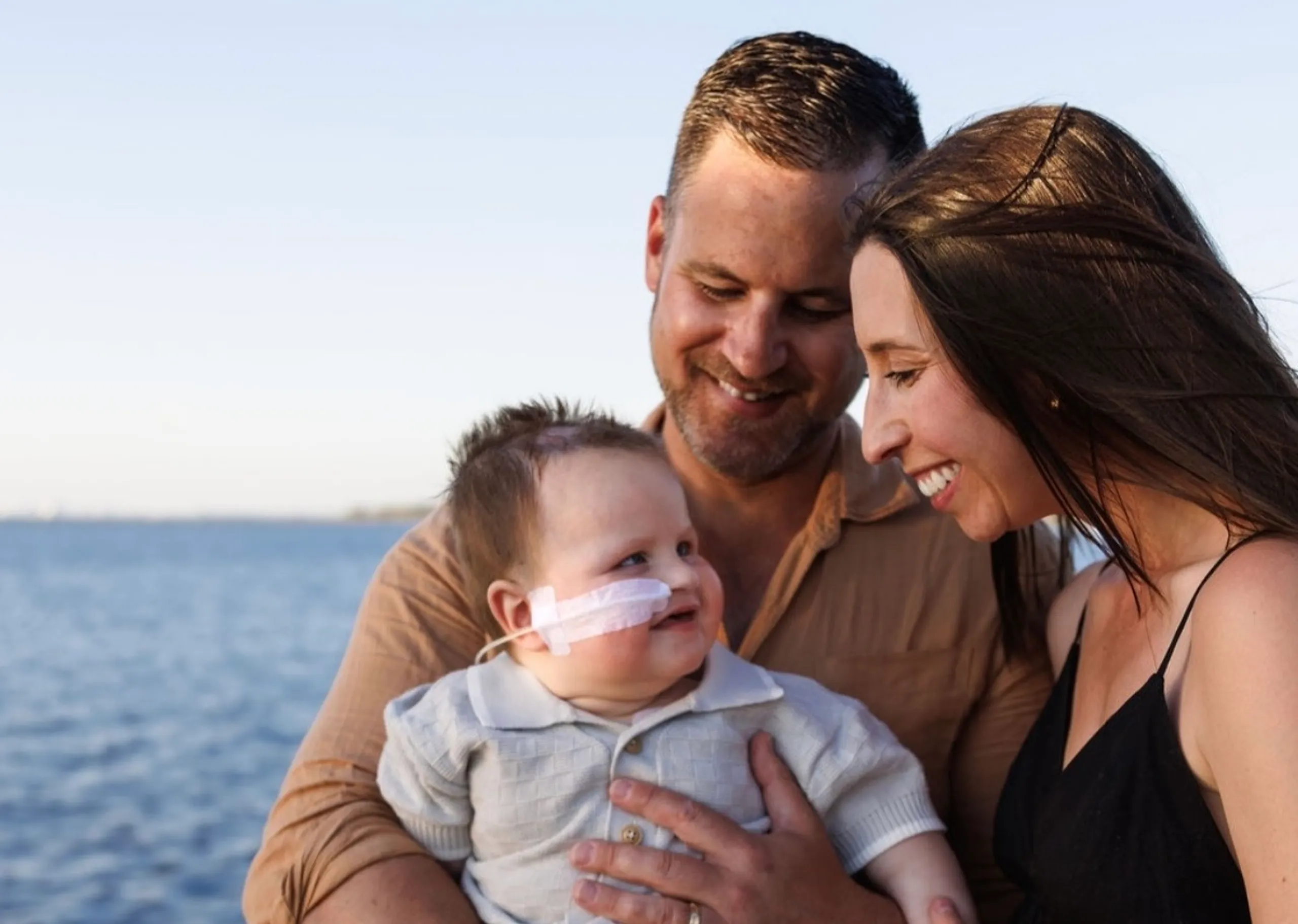
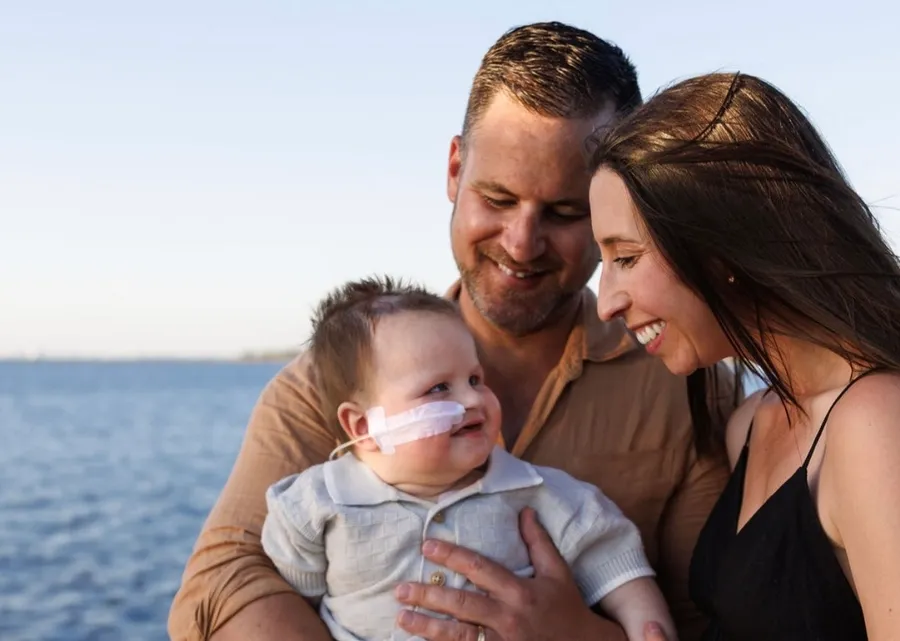
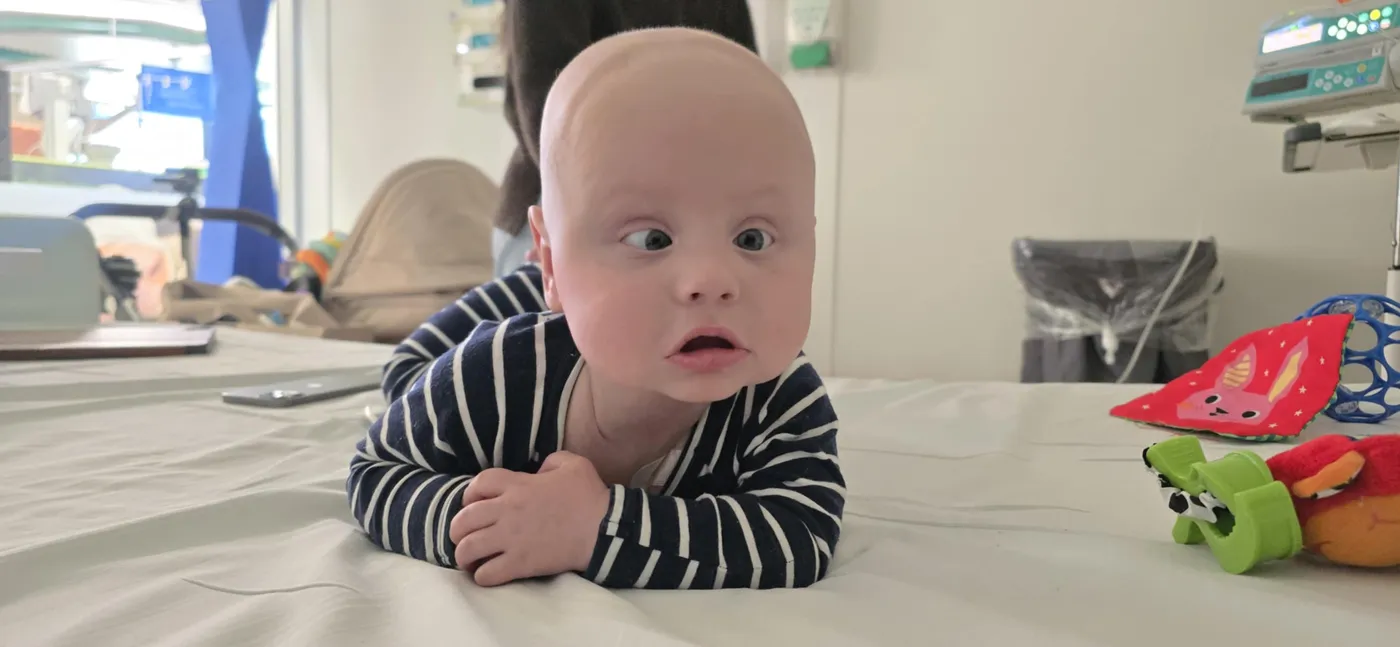
When baby Cruz was diagnosed with one of these rare cancers, AT/RT (Atypical Teratoid Rhabdoid Tumour), at just four months old his family’s world changed instantly.
“There is no way to properly describe what it feels like to hear that your baby has a rare and aggressive brain cancer,” said Shannon, Cruz’s mum.
Cruz underwent major brain surgery, chemotherapy and lengthy hospital stays at Perth Children’s Hospital, as well as proton radiation therapy in the United States. Today, he is back home in Perth after completing active treatment.
“For us, where Cruz is today is both a relief and a reminder,” Shannon said.
“A relief that he is here, home and loved beyond words. And a reminder that children like Cruz need better, kinder and more effective treatment options.”
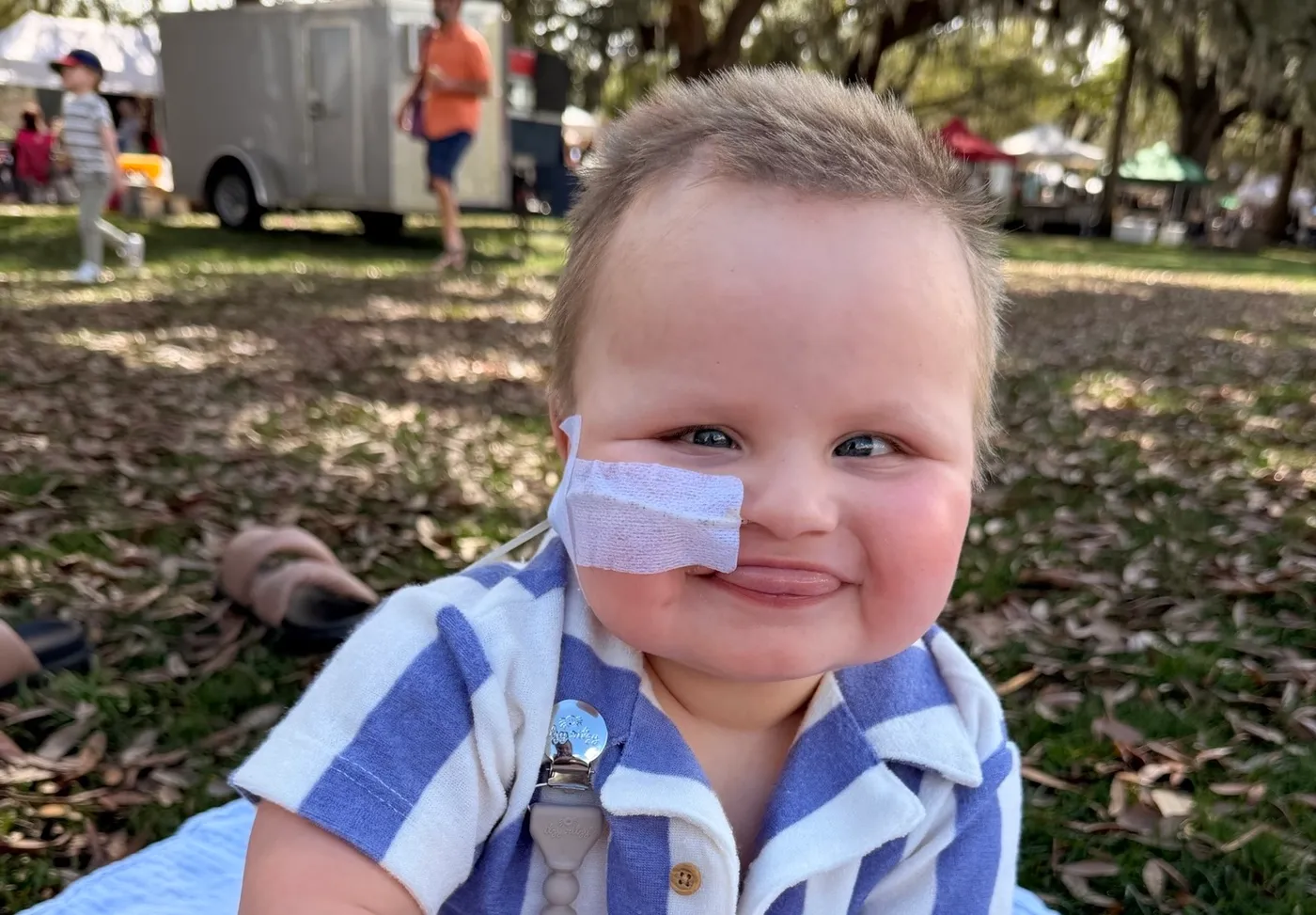
For families like the Kellys, that hope rests on researchers working to change what is possible.
Researchers from the Brain Tumour Research team at The Kids Research Institute Australia, a proud partner of the Centre, are undertaking research focused on developing safer and more effective treatments for infants and young children with rare brain cancers.
The work is led by Associate Professor Raelene Endersby, Co-Head of the Brain Tumour Research Team at The Kids and leader of the Centre’s Combination Treatments theme.
“Because these cancers are so rare, the evidence base needed to design and run dedicated clinical trials simply hasn't existed. That's exactly what our research is working to change,” Associate Professor Endersby said.
To better understand how these cancers respond to treatment in young children, our researchers have developed advanced laboratory models that mimic the growing brains of infants.
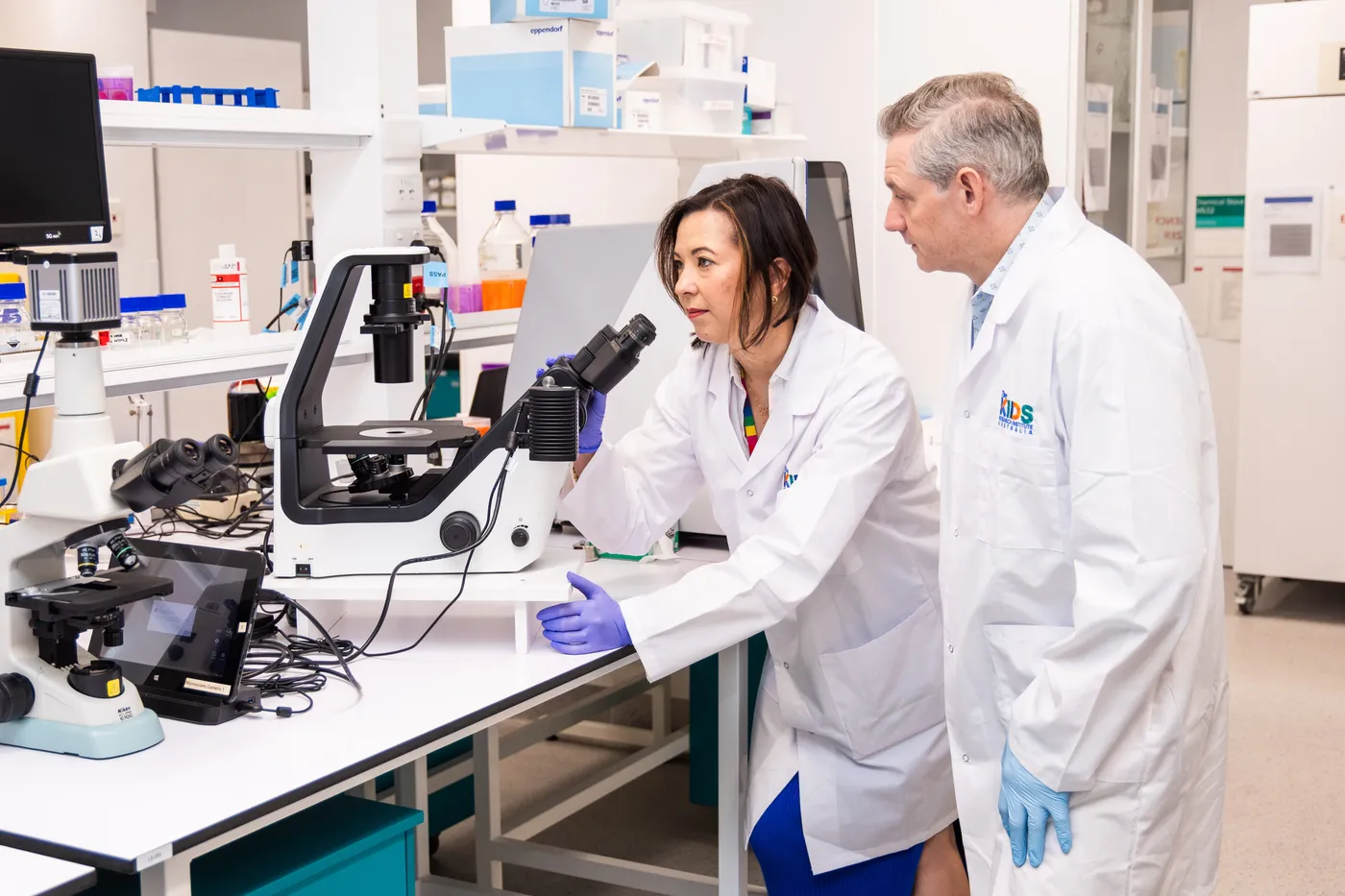
“These models allow us to better understand the efficacy and, equally important, the safety of potential new therapies for infants and young children,” Associate Professor Endersby said.
Since work on this project began, the research team have made significant progress in the lab. They have developed four new paediatric models that closely mimic how AT/RT behaves in real patients. Some have been built using tissue donated by families, including Cruz’s.
These models, along with specially designed radiation schedules, hope to give researchers a reliable way to test new treatments for these rare brain cancers.
For Shannon, knowing this work is happening close to home means hope.
“When your child is diagnosed with a rare brain cancer, you very quickly realise how much is still unknown,” she said.
“For us, research is not an abstract idea. It is deeply personal.”
“We hope that awareness continues to grow – because awareness leads to funding, funding leads to research, and research leads to change.”