
About us
By uniting world‑class research with leading clinical care we are bridging the gap between discovery and delivery.
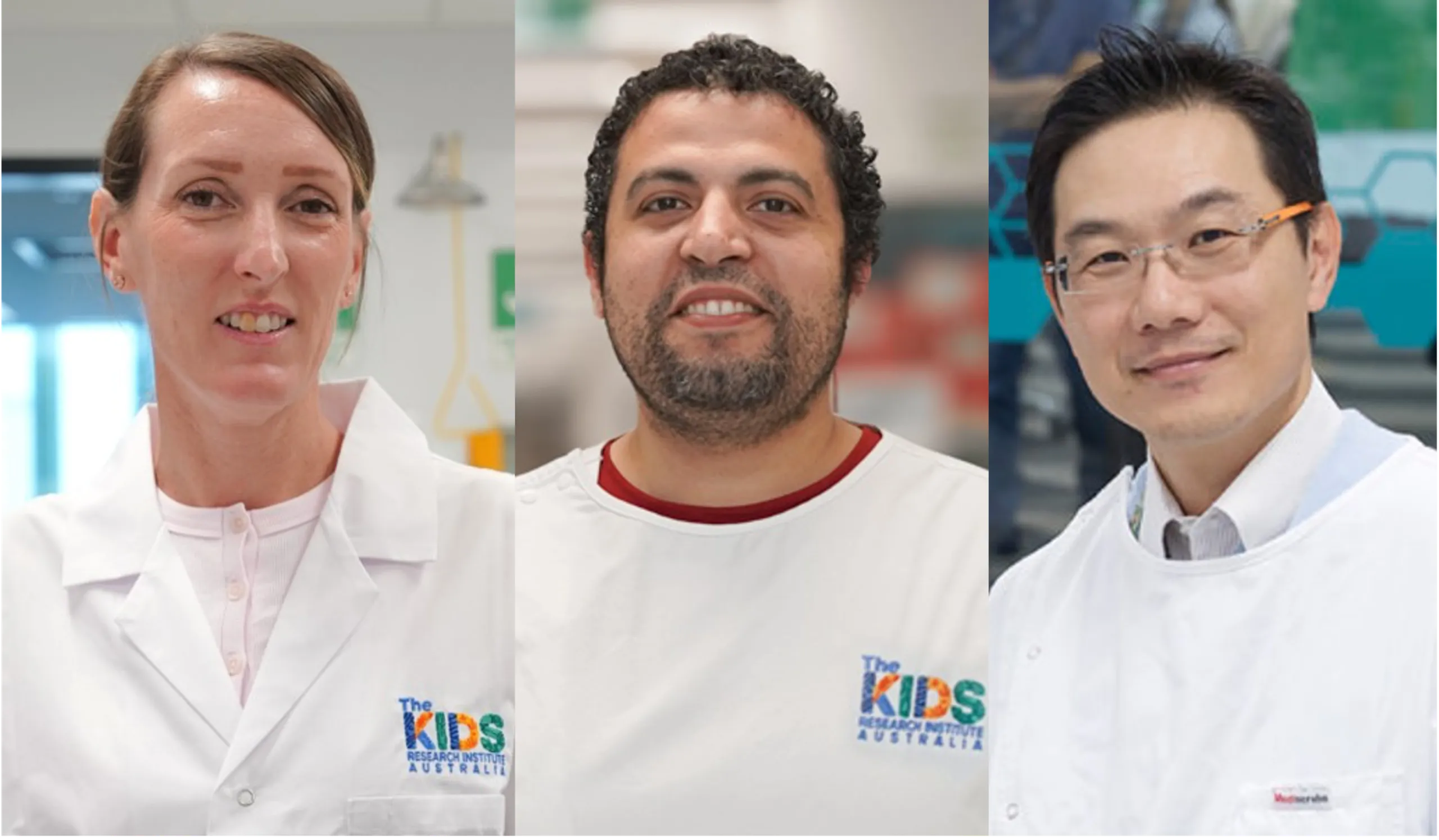
Three researchers from The Kids Research Institute Australia (The Kids), proudly part of the WA Comprehensive Kids Cancer Centre, have received funding through The Hospital Research Foundation Group and Future Health Research and Innovation (FHRI) Fund Precision Medicine Grant Program to develop more personalised treatments for children with cancer.
Dr Alison McDonnell, Dr Omar Elaskalani and Associate Professor Laurence Cheung are beginning to investigate different aspects of how childhood cancer interacts with the immune system to understand why some treatments work differently in children than they do in adults and how therapies can be better tailored to individual patients for improved outcomes.
Dr Alison McDonnell, a postdoctoral researcher in the Brain Tumour Research team was awarded one of the Program’s major $125,000 grants for her project, Right Treatment, Right Time: Precision Immunotherapy for Children with Brain Tumours.
Immunotherapy holds real promise for children with brain cancer, but knowing which treatment to use, and when, remains one of the biggest challenges facing oncologists today. Dr McDonnell's research will build detailed immune profiles for each patient by analysing both their tumour and their broader immune system. These profiles are designed to be interpretable in a clinical setting, helping oncologists match the right immunotherapy to the right child at the right time, rather than relying on a one-size-fits-all approach.
By building a detailed picture of how children’s immune systems interact with their tumours, the project aims to support more informed treatment decisions and pave the way for kinder, more effective personalised care.
Dr Omar Elaskalani, a postdoctoral researcher in the Sarcoma Translational Research team, was awarded $25,000 to investigate why immunotherapy can behave differently in children than in adults, with a focus on children with relapsed or treatment-resistant cancer.
Research by Dr Elaskalani and his team has shown that children’s immune cells can become exhausted very quickly following immunotherapy, which may limit their ability to fight cancer effectively. The project will use advanced analysis of paediatric and adult patients to dive deeper into these age-specific immune responses.
The team will then investigate potential treatment combinations in a paediatric mouse model of high-risk leukaemia, exploring whether targeted immunotherapies could help sustain the energy of children’s immune cells to improve treatment responses.
Associate Professor Laurence Cheung, co-head of the Leukaemia Translational Research team at The Kids and Associate Professor at Curtin University’s School of Diagnostic and Therapeutic Sciences, was also awarded $25,000 to investigate why some immunotherapies are less effective in children with high-risk B-cell acute lymphoblastic leukaemia (B-ALL), the most common childhood cancer.
This project will investigate ways to help young children’s immune systems respond more effectively to blinatumomab, a type of immunotherapy used to treat B-ALL. Because children’s immune systems differ from adults’, researchers want to understand how to strengthen the effects of this treatment in children.
To do this, the team will test new treatment strategies that combine blinatumomab with other immunotherapies, with the aim of helping children’s immune systems grow a stronger response against cancer cells and clear the leukaemia more effectively.
The research aims to build evidence for more effective, child-specific immunotherapy strategies and help inform the development of future clinical trials.
Together, these projects highlight the growing emphasis on precision medicine in childhood cancer research, towards treatments that are tailored to the unique biology of individual children and their cancer.
The Hospital Research Foundation Group and FHRI Fund are helping researchers connect advanced laboratory science with future clinical care to make childhood cancer treatments more effective and kinder for children and families.
The Kids Research Institute Australia delivers the WA Comprehensive Kids Cancer Centre’s laboratory research through its cancer research teams and The University of Western Australia, working alongside the Perth Children’s Hospital clinical team.
By uniting world‑class research with leading clinical care we are bridging the gap between discovery and delivery.
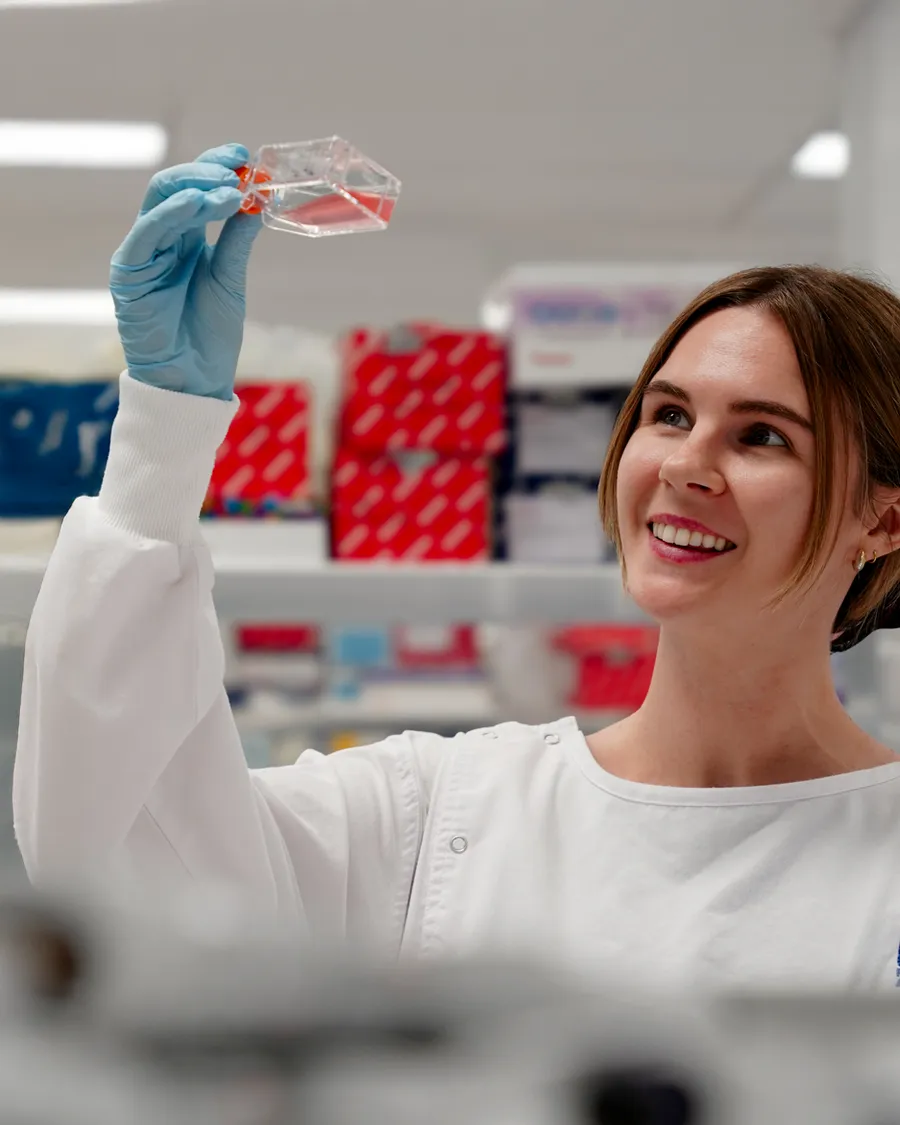
We aim to deliver safer, smarter and more effective care now, while building the innovations that will shape the future of childhood cancer treatment.
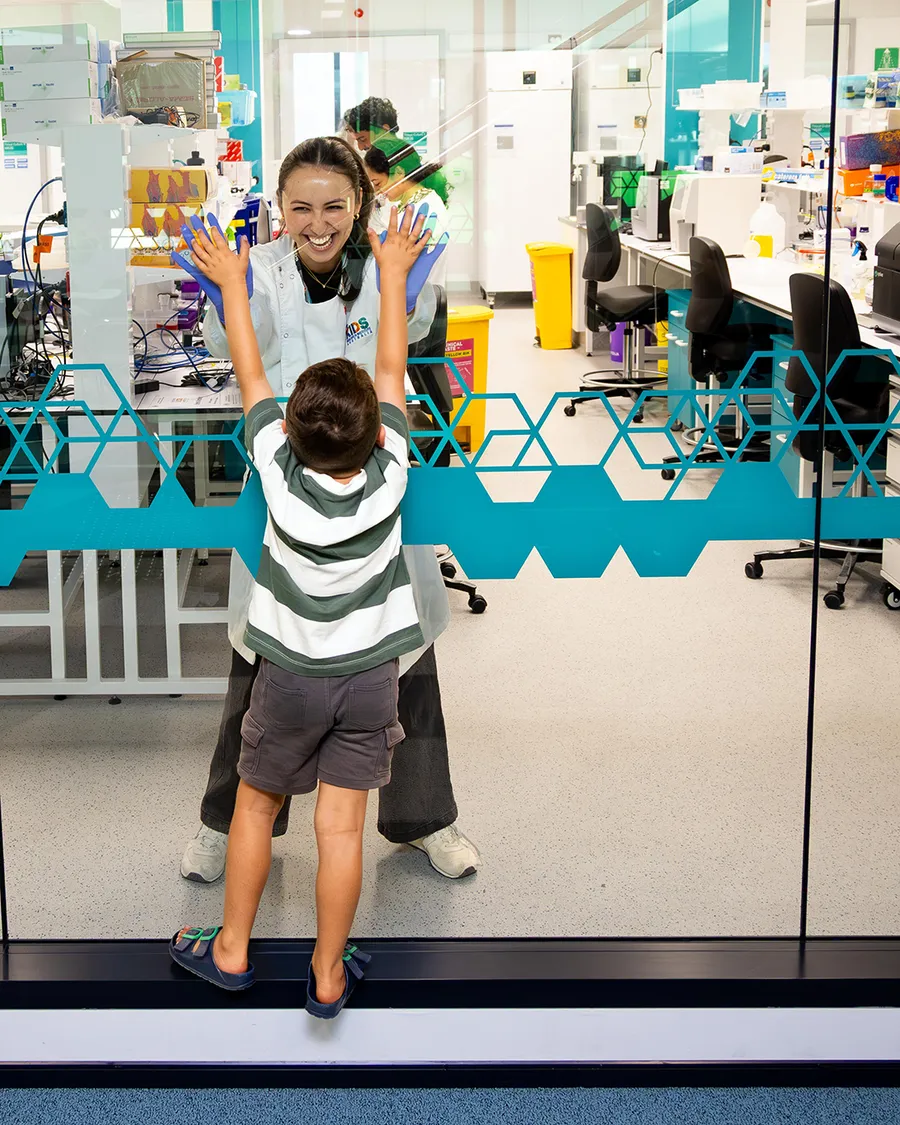
Comprehensive Cancer Centres are widely recognised as the gold standard in cancer research and care.