
About us
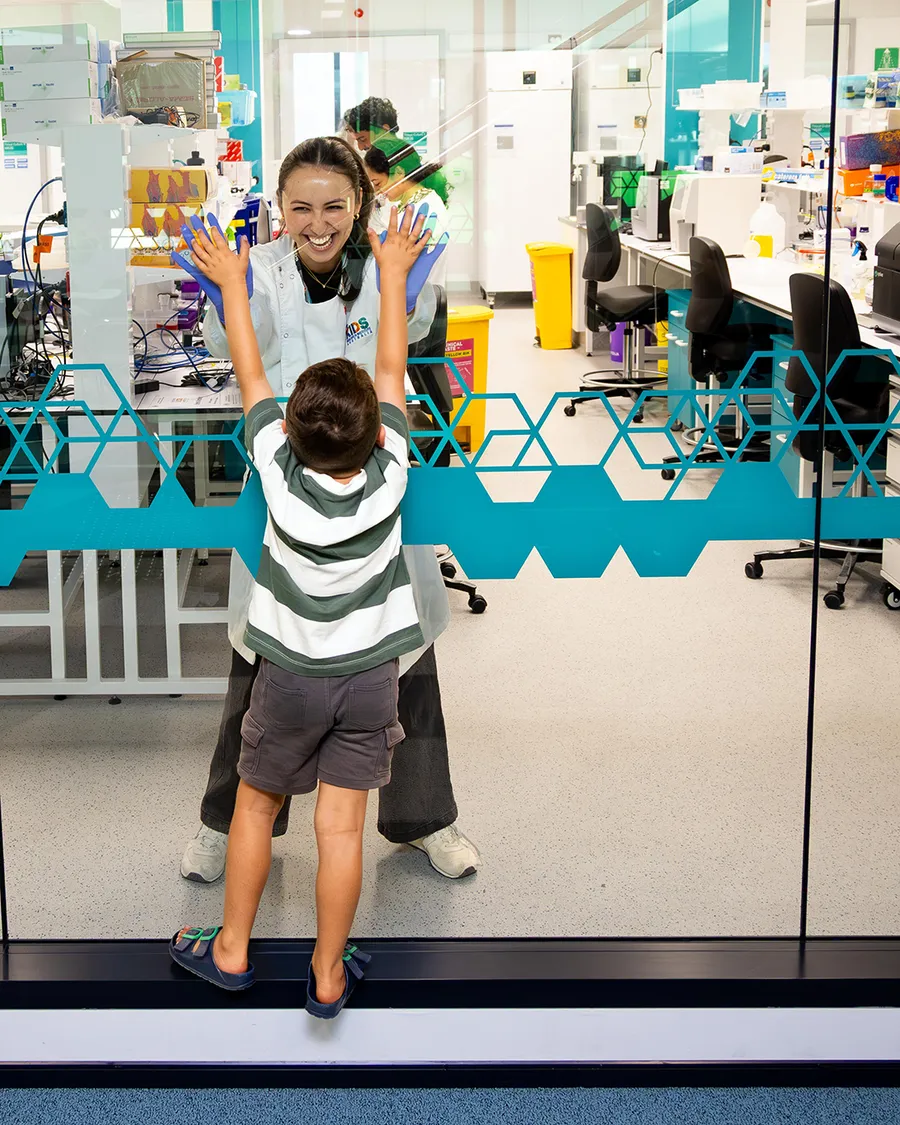
By uniting world‑class research with leading clinical care we are bridging the gap between discovery and delivery.
The WA Comprehensive Kids Cancer Centre celebrated its official launch on Monday 18 May, bringing together supporters, researchers, clinicians, families and partners to mark a new chapter in childhood cancer care and research in WA.
Held at Perth Children's Hospital, the evening opened with a Welcome to Country by Nick Abraham, who holds connection to the Whadjuk, Yued, Ballardong, Wilmen, Wardandi and Binjerup Peoples and Country.
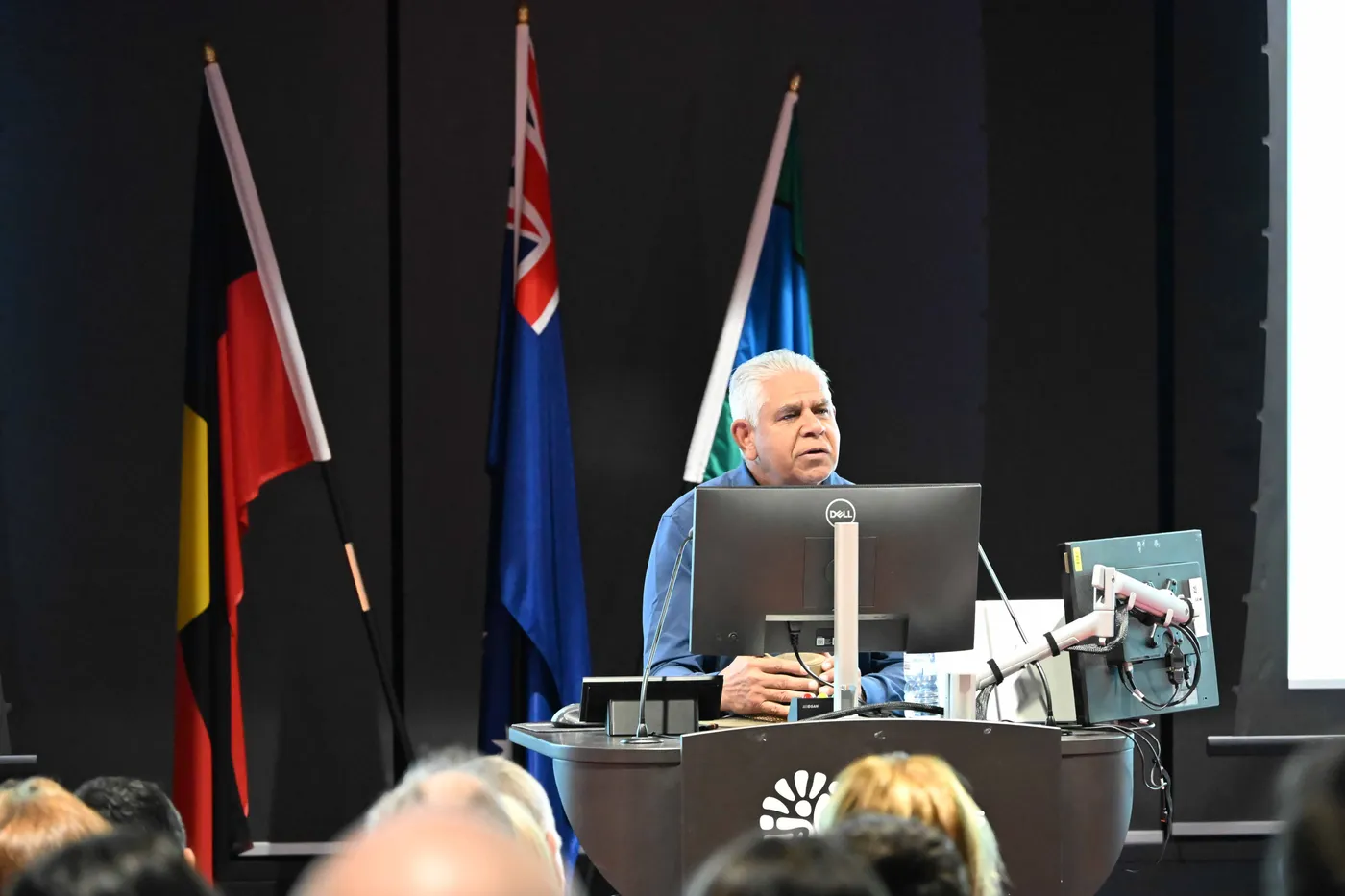
Elizabeth Perron, Executive Chair of the Stan Perron Charitable Foundation, spoke to the Foundation's commitment of $135.5 million over ten years - one of the largest investments in health research in WA's history. She described a shared ambition to give children not only the chance to survive, but the opportunity to thrive.
The Stan Perron Charitable Foundation and Perth Children's Hospital Foundation are the Centre's key funders, alongside co-investment from the University of Western Australia.
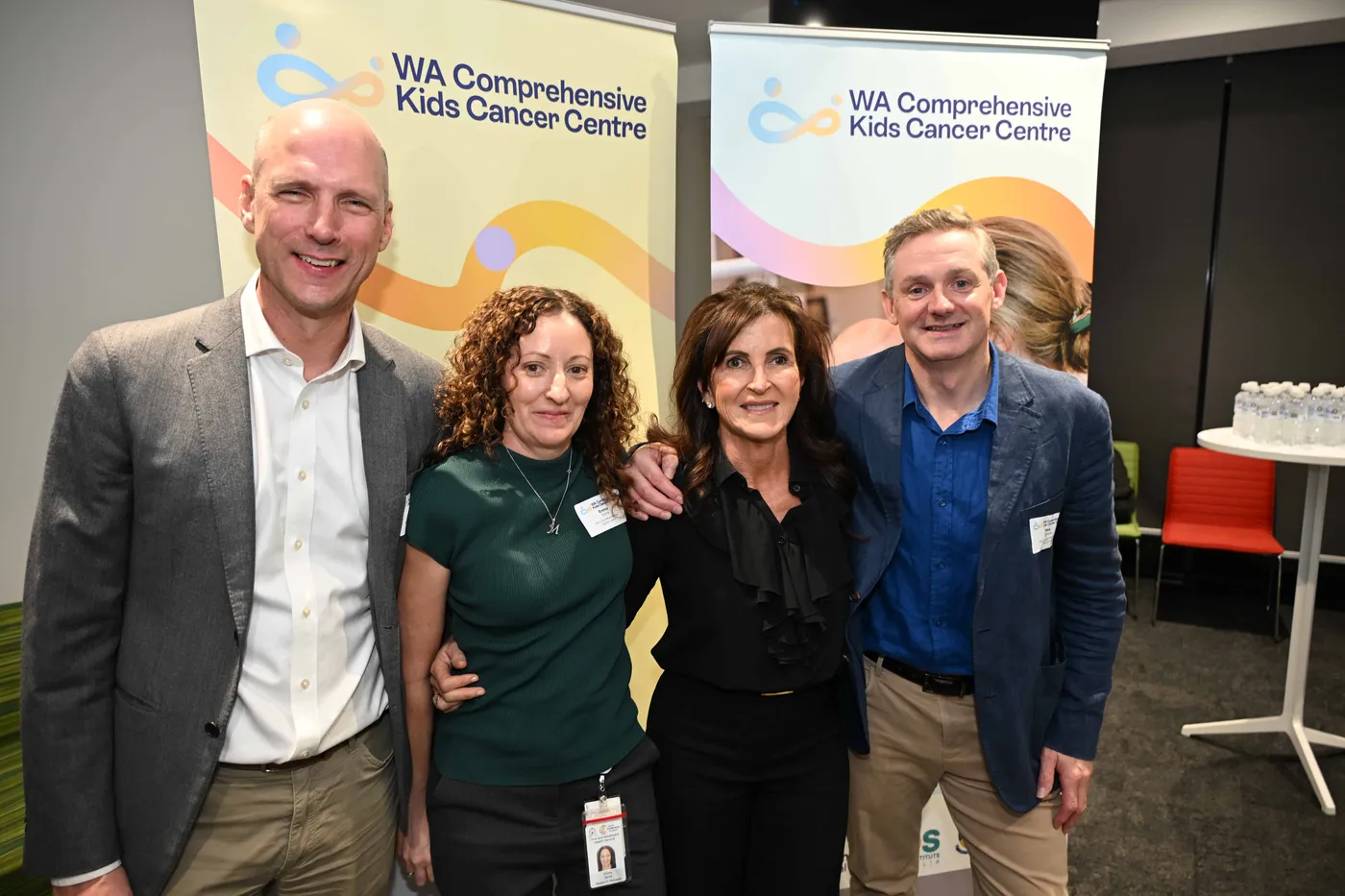
Clinical Director Professor Nick Gottardo and Scientific Director Professor Joost Lesterhuis outlined what the Centre will do and why it matters. Childhood cancer survival has improved dramatically over recent decades, but the treatments responsible are largely unchanged. The long-term effects they leave behind follow survivors throughout their lives. Organised around two pillars, the Centre will both continue improving outcomes for hard to treat cancers, and improve the quality of life after treatment.
Pillar 1, Today's Kids focuses on delivering the best possible care for every WA child with cancer now: expanded clinical trial access so families no longer need to travel interstate or overseas; genetic and cellular analysis to personalise treatment to each child's cancer; a dedicated, Aboriginal-led research program focused on improving outcomes for Aboriginal and Torres Strait Islander children; and a survivorship program that supports children long beyond the end of treatment.
Pillar 2, Tomorrow's Kids is about developing treatments that don't yet exist. This includes smarter treatment combinations, novel therapies delivered at the time of surgery, and a world-first paediatric research model platform that tests treatments in systems that reflect the developing child, not an adult.
Sarah Smith, Chair of the PCH Oncology and Haematology Patient and Parent Group, shared her family's experience of her son’s diagnosis and treatment journey. Her contribution reflected that community is at the core of our work, not the periphery. The Centre has a strong community focus, bringing together 3 reference groups contributing expertise to clinical, laboratory and Aboriginal and Torres Strait Islander programs.
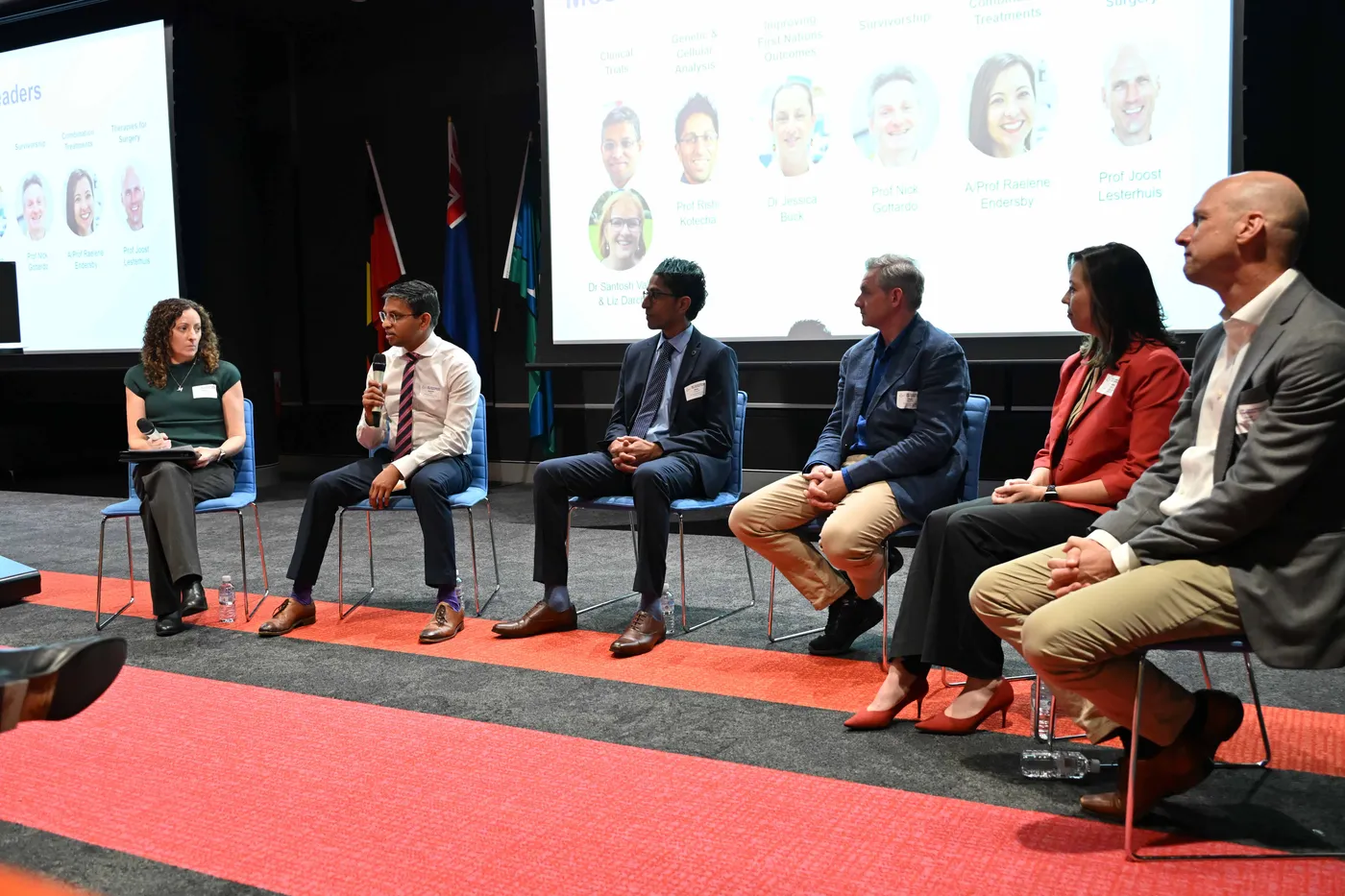
The evening concluded with a facilitated a session highlighting the Centre's 6 theme leaders, each speaking to their area: Clinical Trials, Genetic and Cellular Analysis, Improving First Nations Outcomes, Survivorship, Combination Treatments, and Therapies for Surgery. Across every theme, the connecting thread is the seamless loop between laboratory and clinic, where discoveries can reach children faster and insights from patients and families shape future focused research.
The Centre’s launch is the culmination of more than 30 years of research, clinical care, generous support, and community contributions that have built the foundations on which the Centre stands. It is also the product of 18 months of intensive establishment work, and we are grateful to everyone who has contributed to getting here — our funders, partners, researchers, clinicians, and the families whose experiences sit at the heart of everything we do.
By uniting world‑class research with leading clinical care we are bridging the gap between discovery and delivery.
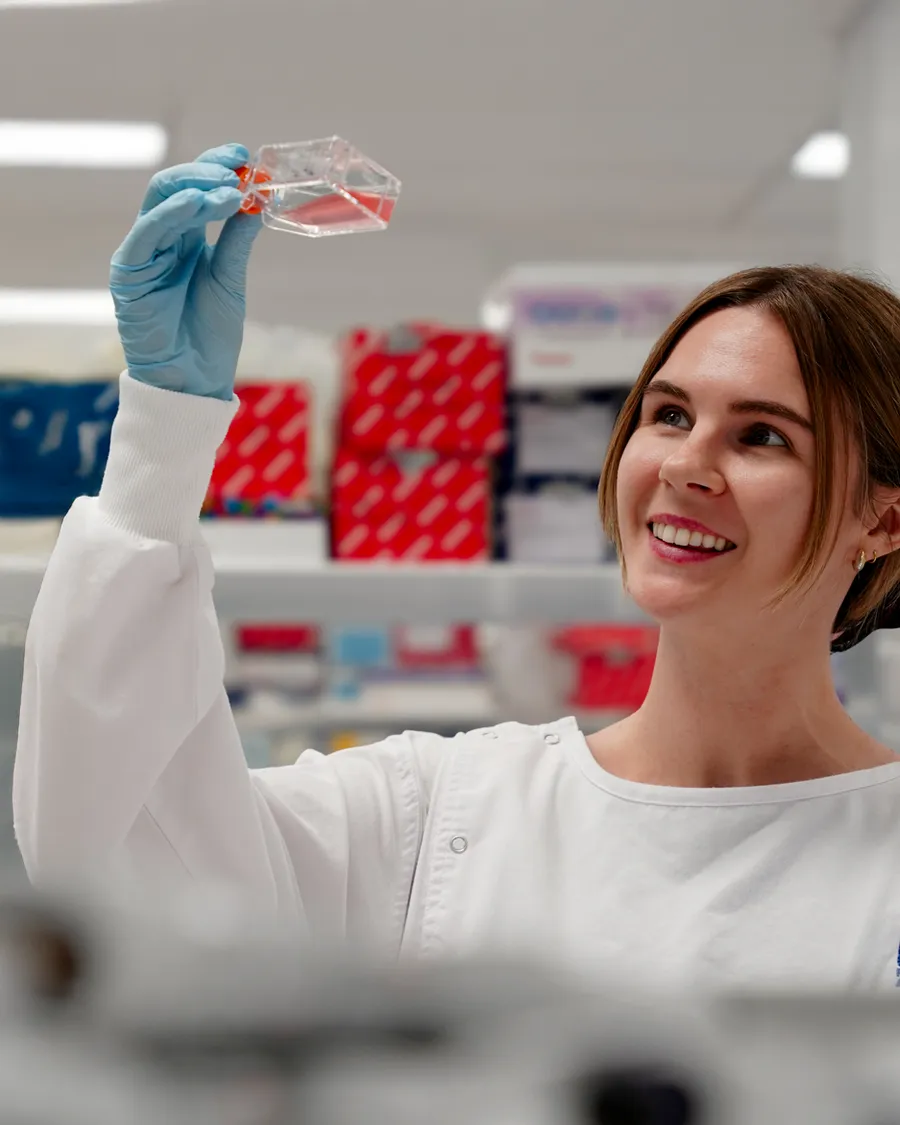
We aim to deliver safer, smarter and more effective care now, while building the innovations that will shape the future of childhood cancer treatment.
Comprehensive Cancer Centres are widely recognised as the gold standard in cancer research and care.