
About us
By uniting world‑class research with leading clinical care we are bridging the gap between discovery and delivery.
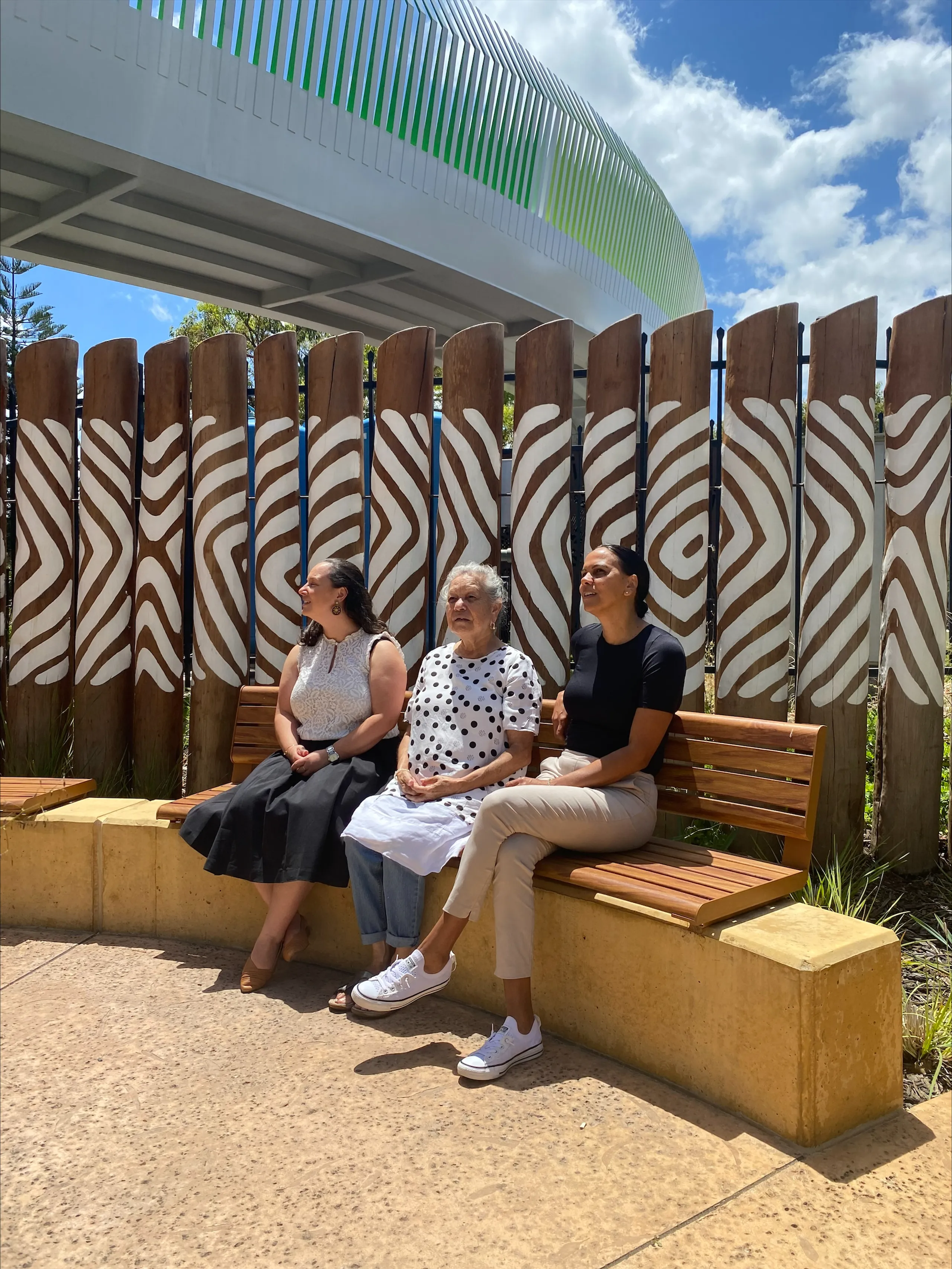
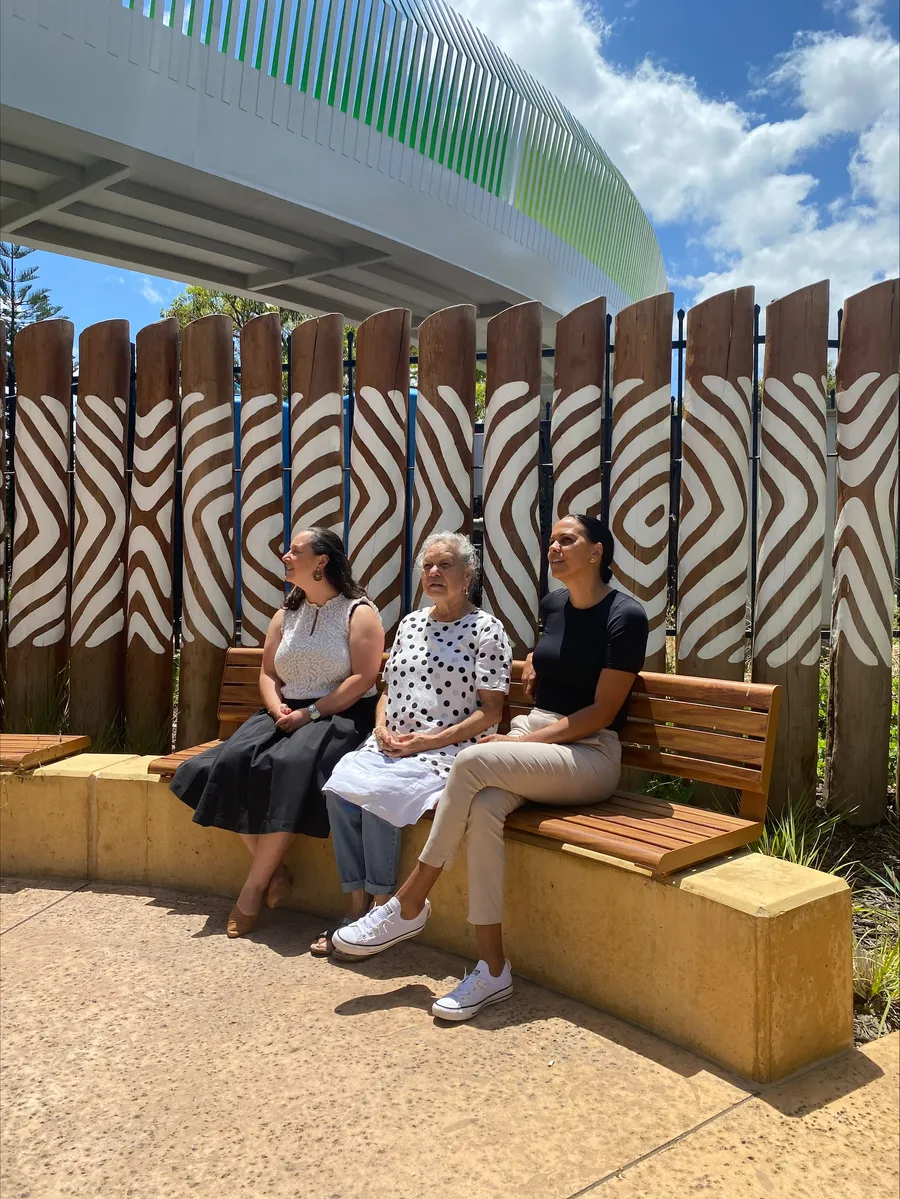
Aboriginal and Torres Strait Islander communities across Australia are helping shape a new generation of childhood cancer research aimed at improving patient outcomes.
Aboriginal and Torres Strait Islander children with cancer have worse outcomes and poorer tolerance to current therapies than non-Aboriginal and Torres Strait Islander children, and until now, limited research has focused specifically on understanding why these children experience poorer outcomes.
Researchers from the First Nations Childhood Cancer Research team at The Kids Research Institute Australia, part of the WA Comprehensive Kids Cancer Centre, have been travelling across metropolitan and regional communities to listen to the experiences, priorities and concerns of Aboriginal and Torres Strait Islander communities.
150 community members, including more than 110 Elders, have taken part in yarning circles held across Perth, the Great Southern and the Southwest, as well as South Australia. Consultations are ongoing, with the Pilbara region next.
Improving First Nations Outcomes is a key theme of the WA Comprehensive Kids Cancer Centre, with community-led evidence playing a vital role in ensuring cultural perspectives, priorities and lived experiences shape and strengthen the research program.
A community-led approach
The First Nations Childhood Cancer Research team is working directly with its Community Advisory Group, which provides cultural guidance and lived-experience expertise across the Centre's research activities, and many communities across Australia to identify priorities for future childhood cancer research.
During yarning circles, our researchers share information about treatment side effects, genomics, biobanking and clinical research, before inviting participants to discuss what matters most to their communities.
The discussions have highlighted strong interest in developing culturally appropriate family resources, looking at how traditional medicines can support treatment, understanding culturally safe approaches to biological samples, and improving access to healthcare services for families travelling from regional and remote areas.
Shaping future research and care
Insights from the consultations are already helping guide future research priorities and will contribute to recommendations for working with Aboriginal and Torres Strait Islander biological samples in culturally safe ways.
Importantly, the process ensures that research is being shaped not only by clinicians and scientists, but by the communities it is intended to benefit.
As consultations continue across Australia, the Improving First Nations Outcomes theme is building the foundations for research that is culturally informed, community-led and focused on improving outcomes for Aboriginal and Torres Strait Islander children with cancer.
By uniting world‑class research with leading clinical care we are bridging the gap between discovery and delivery.
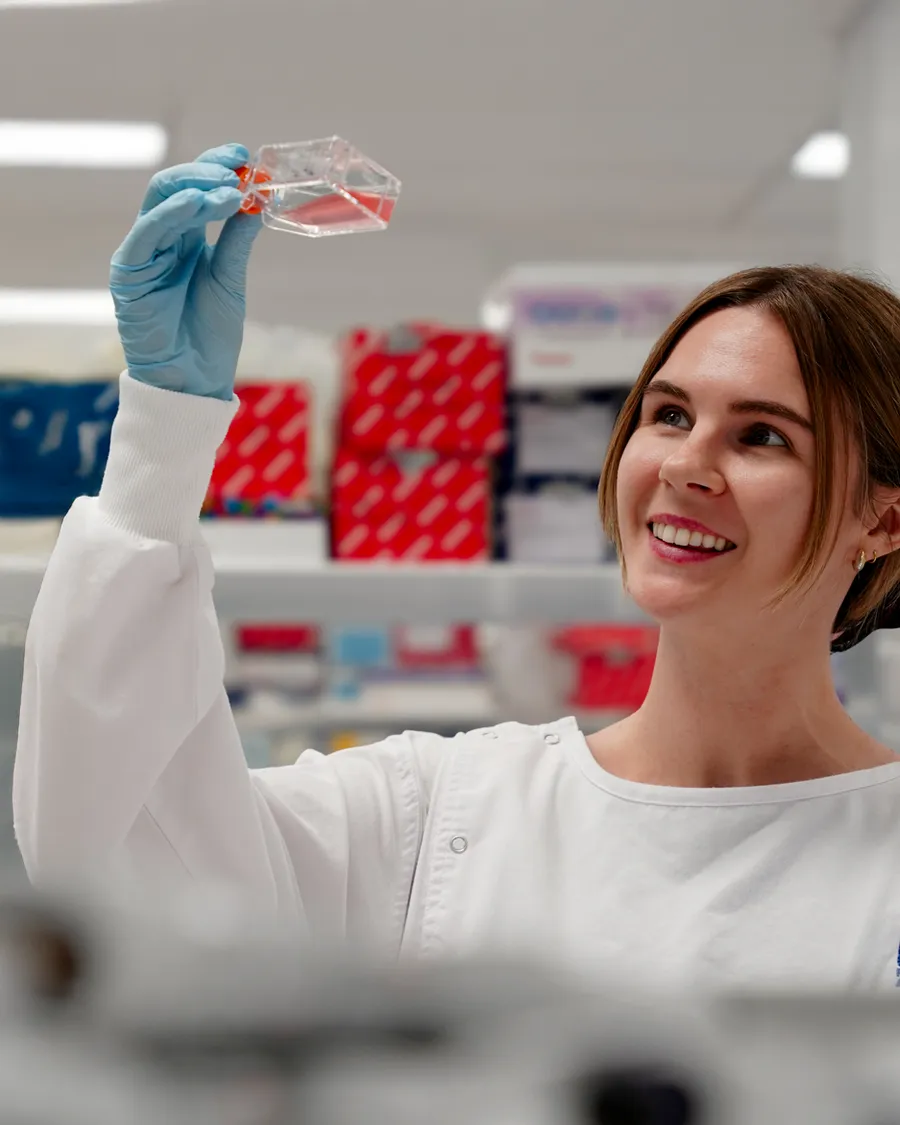
We aim to deliver safer, smarter and more effective care now, while building the innovations that will shape the future of childhood cancer treatment.
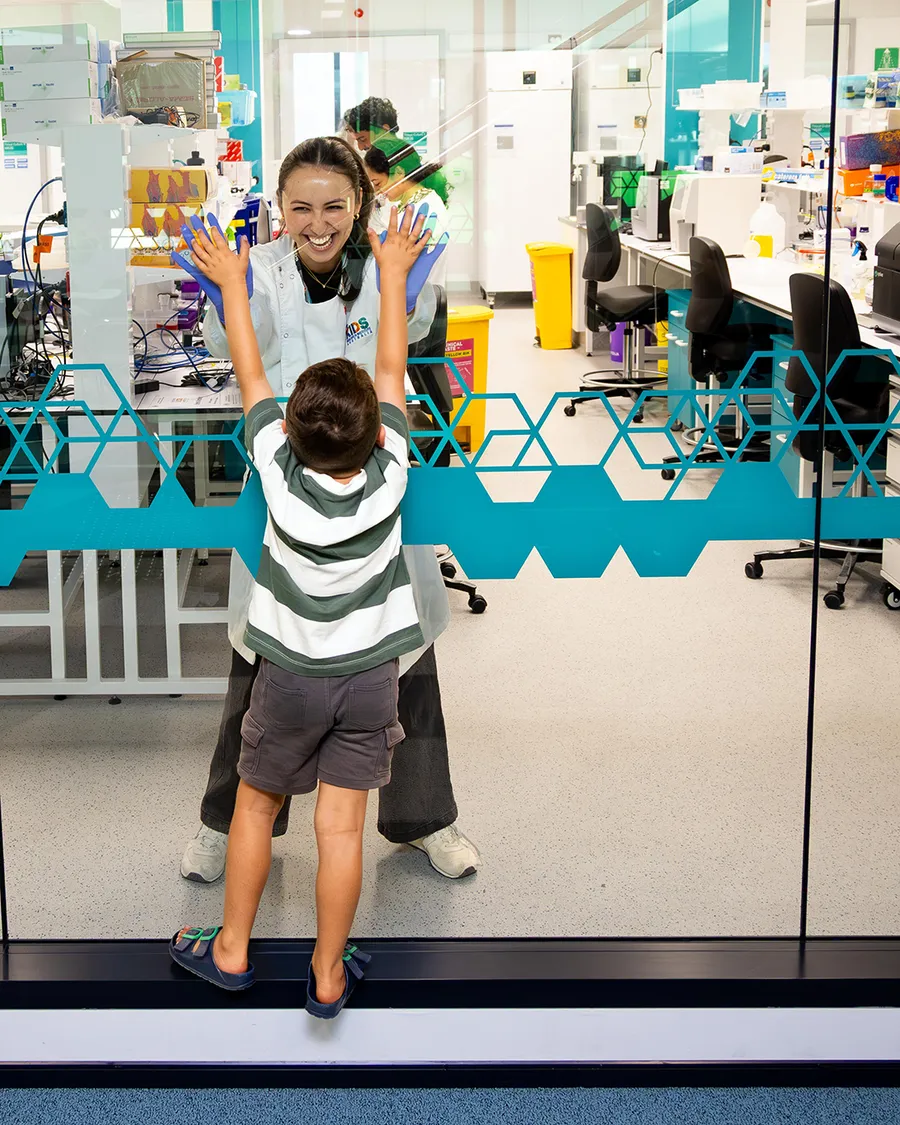
Comprehensive Cancer Centres are widely recognised as the gold standard in cancer research and care.