
About us
By uniting world‑class research with leading clinical care we are bridging the gap between discovery and delivery.
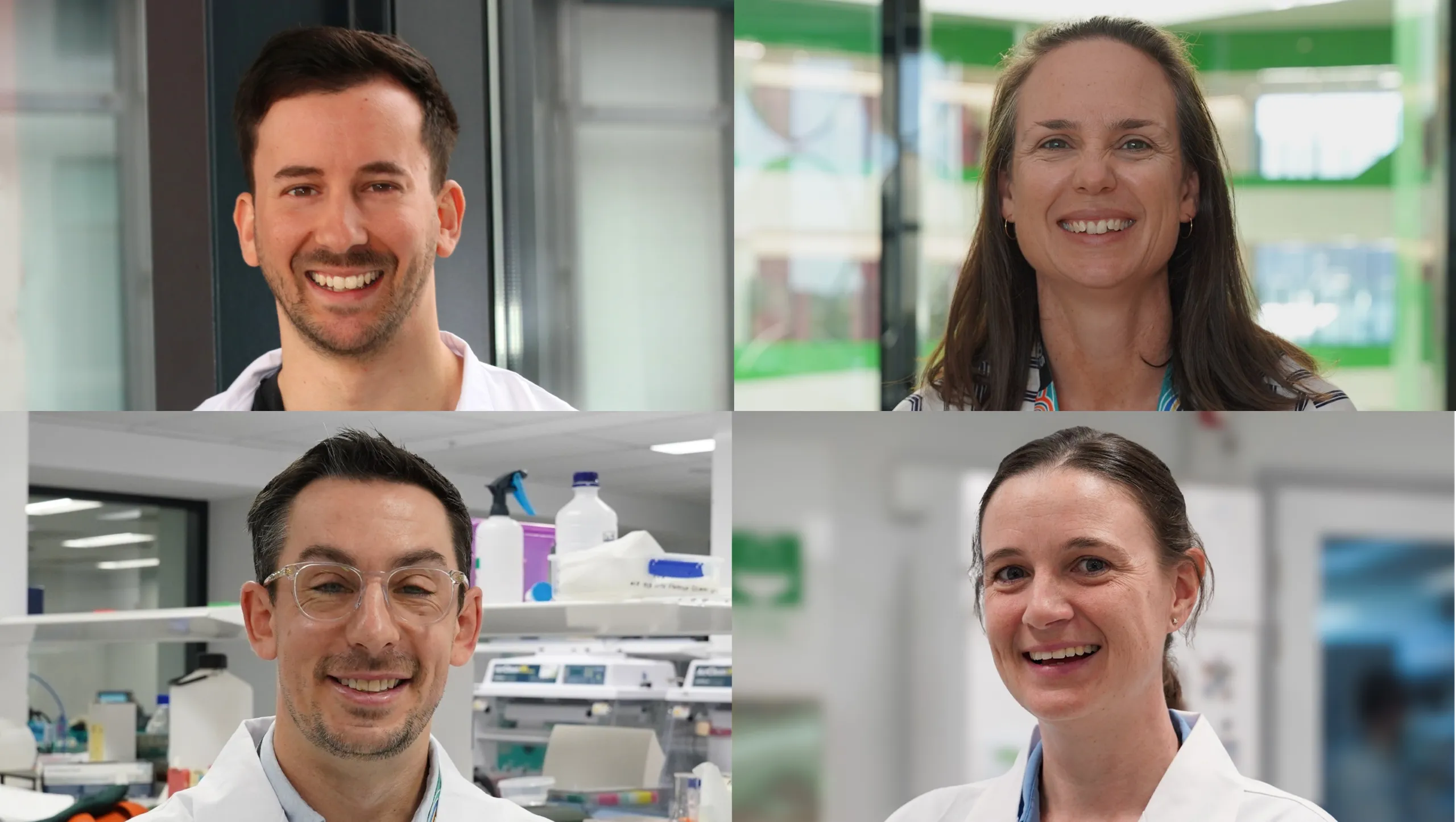
The WA Comprehensive Kids Cancer Centre continues to build a world-class childhood cancer research workforce with the appointment of four new laboratory team leaders at The Kids Research Institute Australia (The Kids). These Team Heads will increase the Centre’s research capacity, support collaboration across focus areas, and help develop the next generation of cancer researchers.
The appointments of Dr Anthony Buzzai, Dr Meegan Howlett, Dr Ben Wylie and Dr Annabel Short directly support key deliverables for the Centre through expanding research capacity and attracting and retaining exceptional talent. Each researcher brings expertise across strategically important areas including immunotherapy, survivorship, translational science, and preclinical development.
Associate Professor Joost Lesterhuis, the Centre’s Scientific Director, said the Centre is committed to investing in the people and expertise required to deliver an ambitious research program.
"To achieve our vision, we need outstanding leaders who can build teams, mentor researchers, foster collaboration and drive discoveries from the laboratory through to clinical impact," Associate Professor Lesterhuis said.
“These appointments strengthen our ability to deliver on the Centre’s goals while backing the talented research leaders who are already shaping the next phase of childhood cancer research.”
The Centre has expanded its expertise through the recruitment of internationally experienced cancer immunologist Dr Anthony Buzzai as Head of the new Developmental Cancer Immunology team.
Following a competitive international recruitment process, Dr Buzzai returns to The Kids after gaining leadership experience in Germany, where he held a senior postdoctoral and deputy leadership position within a tumour immunology program.
His research will focus on developing cancer immunotherapies specifically designed for children, investigating how paediatric cancers interact with the developing immune system.
The new team adds a complementary capability to the Centre's existing research strengths and creates opportunities for collaboration across multiple research themes. The team will help strengthen the Centre's pipeline of new immunotherapies and accelerate progress towards more effective treatments for children with cancer.
Similarly, following a competitive international recruitment process, Dr Meegan Howlett has taken on the role of Head of the newly established Cancer Preclinical Core team. This team is a shared Centre-wide resource that will provide the crucial data needed to move promising discoveries towards clinical application.
The team will act as a critical bridge between discovery science and clinical translation, providing a rigorous and standardised pathway for evaluating new therapies developed across the Centre's research programs.
Having spent more than a decade helping drive translational research in the Brain Tumour Research team, and before that in the Leukaemia team, Dr Howlett brings extensive experience in experimental design, research governance, student supervision, collaborative research, and industry partnerships.
The creation of the Cancer Preclinical Core team will be essential to building shared infrastructure and expertise that enables researchers to more effectively translate their research into the clinic.
Two of the roles recognise emerging leaders who have stepped up to co-lead their existing research teams.
Dr Ben Wylie has been appointed Co-Head of the Sarcoma Translational Research team, alongside Associate Professor Lesterhuis. He will drive the team's expanding mRNA therapeutics research stream, an emerging area of cancer immunotherapy and drug discovery.
Dr Annabel Short has become Co-Head of the Brain Tumour Research Team, alongside Associate Professor Raelene Endersby and Professor Nick Gottardo. She will lead the neuroscience and survivorship stream within the team, focusing on understanding how brain cancer and its treatments affect the developing brain and identifying ways to protect the long-term brain health of childhood cancer survivors.
Together, these four appointments are building the Centre’s leadership and capability to move new discoveries towards the clinic so we can achieve our vision: a future where all kids with cancer survive and thrive.
The Kids Research Institute Australia delivers the WA Comprehensive Kids Cancer Centre’s laboratory research through its cancer research teams and The University of Western Australia, working alongside the Perth Children’s Hospital clinical team.
By uniting world‑class research with leading clinical care we are bridging the gap between discovery and delivery.
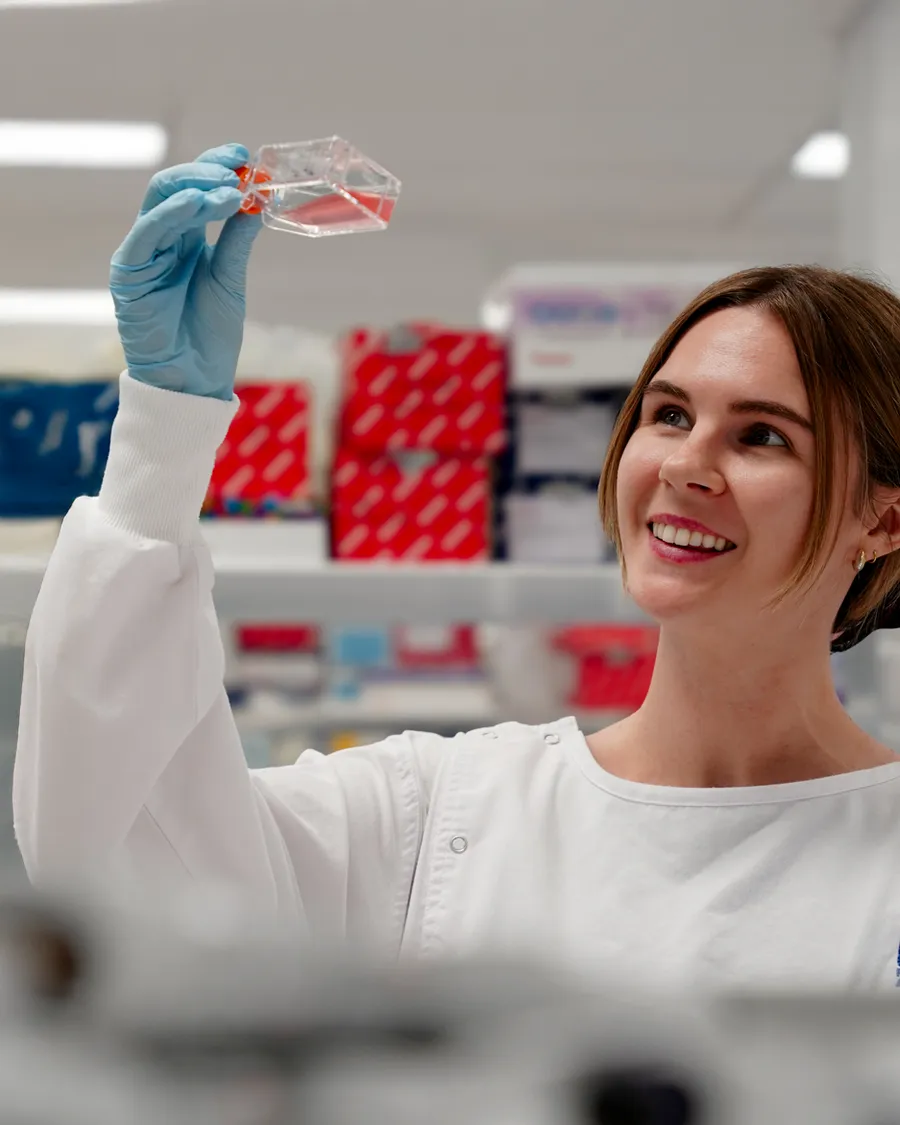
We aim to deliver safer, smarter and more effective care now, while building the innovations that will shape the future of childhood cancer treatment.
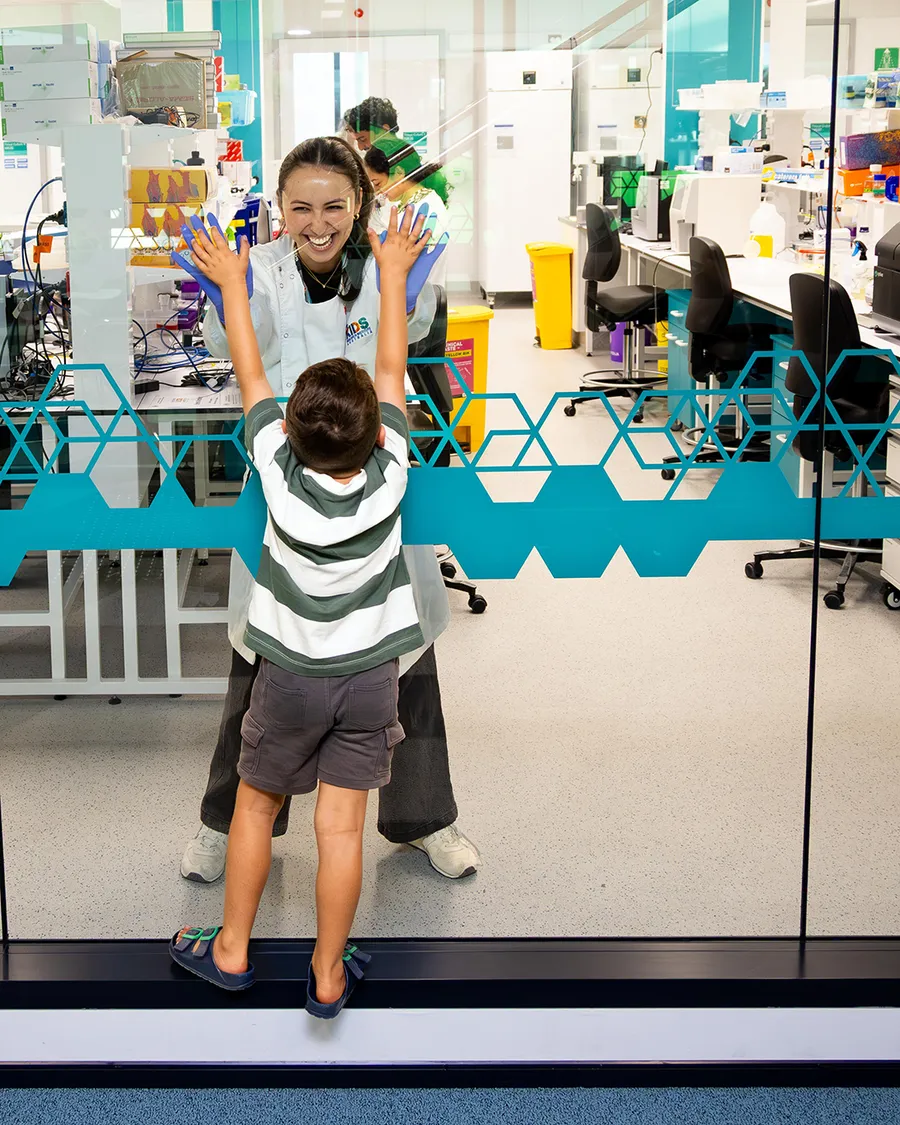
Comprehensive Cancer Centres are widely recognised as the gold standard in cancer research and care.